Yarrow
As part of my work experience here at my Fathers company, Howl Bushcraft, I’ve been tasked with researching three plants and their uses for this mini series of Darcy’s Blog. This is first one:
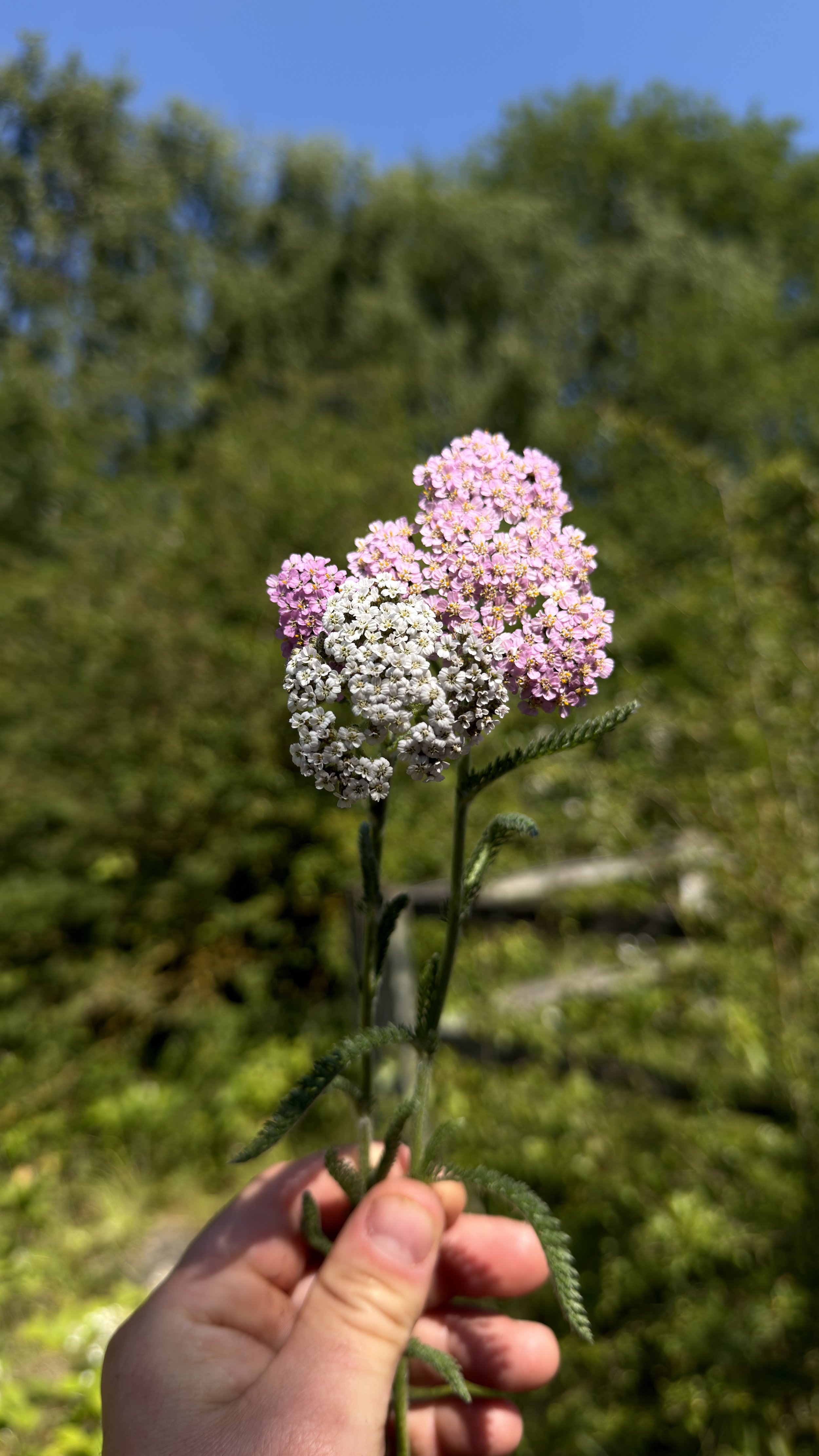
Yarrow (Achillea millefolium)
Identification:
To identify yarrow, there are a few key features I’ve learned to look for:
Leaves: bright green and lacy and they grow in an altering pattern up the stem.
Flowers: small blossoms in dense clusters and are normally white or pale pink.
Stem: upright, sturdy and has little hairs so appears fuzzy.
Scent: when leaves/flowers are crushed, they release a strong sweet and spicy aroma.
However, yarrow has some features in common with other plants such as;
Poison Hemlock: a highly toxic plant, it is different from yarrow as the stem is smooth and has purple spots. But when it is young you could make this mistake.
Queen Anne's Lace: this looks very similar to yarrow, but the leaves are generally broader/flatter and the clusters of flowers curve inwards.
Medicinal uses:
Yarrow contains vitamins A and C and minerals such as zinc and potassium. It also contains plant chemicals like flavonoids (such as apigenin) which can be used to relax muscles. Yarrow has many medicinal purposes like;
Fevers and colds: due to it being sweat-inducing (diaphoretic), yarrow tea is traditionally used to help reduce fevers, fight against colds and relieve mild headaches.
Digestive support: yarrow stimulates digestive enzymes and bile production so helps emulsify fats and reduce bloating and nausea.
Wound care: yarrow was historically known as “soldier’s woundwort”, it contains astringent properties which help to clot blood in cuts and scratches. Also, yarrow helps to soothe and reduce inflammation.
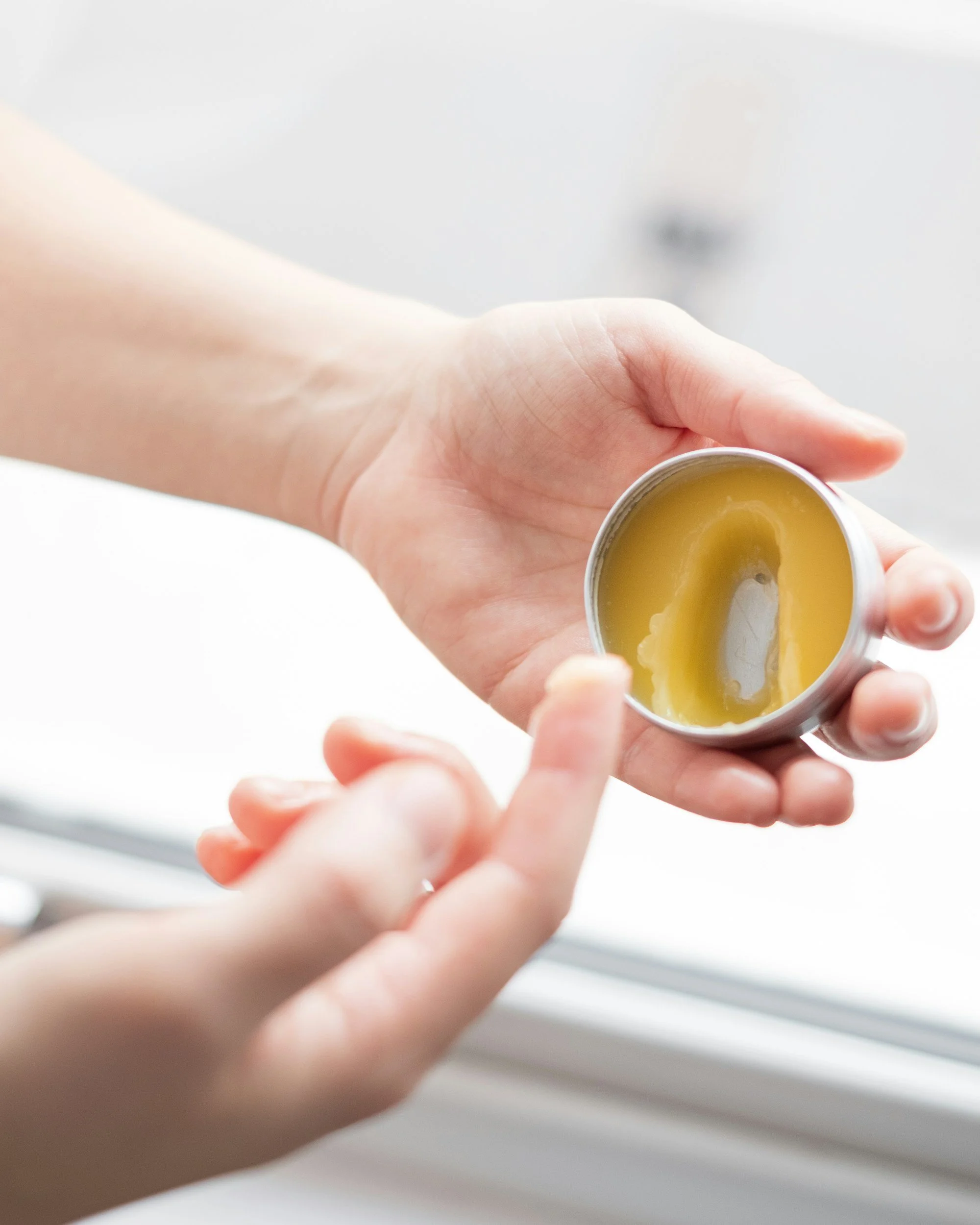
Yarrow is commonly used to create a balm which can help to soothe dry skin and bug bites: here is an example of how to make yarrow balm:
Make the yarrow oil:
Ingredients: 1 part of dried yarrow (leaves/flowers) by volume, 1.5 parts by vollume of a carrier oil (eg:olive oil)
Fill a clean glass jar roughly half way with dried yarrow.
Pour the carrier oil into the jar until the yarrow is covered.
Place the lid tightly onto the jar, then:
(Slow method) Place the jar in a dark area for 4 to 6 weeks and shake the jar every few days or,
(Fast method) Place the jar uncovered into a pot with roughly 1 inch of water. Heat on low for 2-3 hours. Make sure the water does not boil dry
Then strain the herbs using a sieve (or similar)
Create the balm:
Ingredients: 250ml of your yarrow oil, approx. 30 grams beeswax pellets
Place your yarrow oil into a pan
Gently heat, then a little at a time add the beeswax until it melts and stir well while heating
Dip a spoon into the mix and lift it out to cool a small amount, to check the consistency. If its too runny, add more beeswax.
Remove the bowl from the heat and pour the mixture carefully into a small container (eg: a little tin)
Allow the mixture to sit and solidify before use