preparedness and resilience at home
Prepared, Not Afraid: Why Resilience Starts at Home and Grows Through Community
Having spent the last few days unexpectedly at home after postponing a weekends worth of courses due to storms blowing in, I’ve been thinking about the UK Government’s new Be Ready campaign. It encourages households to prepare for three days of disruption to services such as power, water, communications and food supplies. It is sensible advice, and something I’ve discussed for a few years now when I’ve been out on our Borealis trips to Northern Sweden. My friends there have been really insightful in highlighting the different governmental and social approaches to this topic.
Sweden’s Civil Defence and Resilience Agency recommends that households plan to maintain food, water, warmth and communication for at least one week. Crucially, the Swedish approach is not about fear, hoarding or filling a spare room with military rations. It recommends keeping additional quantities of food you already eat, gradually buying one or two extra items during normal shopping and thinking about what neighbours could share or lend to one another.
That feels like a healthy place to begin.
A well-stocked cupboard used to be normal
Many of our grandparents would not have described themselves as “preppers”. They simply kept a useful store cupboard.
There might have been flour, oats, rice, pasta, pulses, preserved fruit, tins, powdered milk and root vegetables sufficient to carry the household through a difficult week or two. These supplies were not sealed away for an imagined apocalypse, they were just part of everyday kitchens.
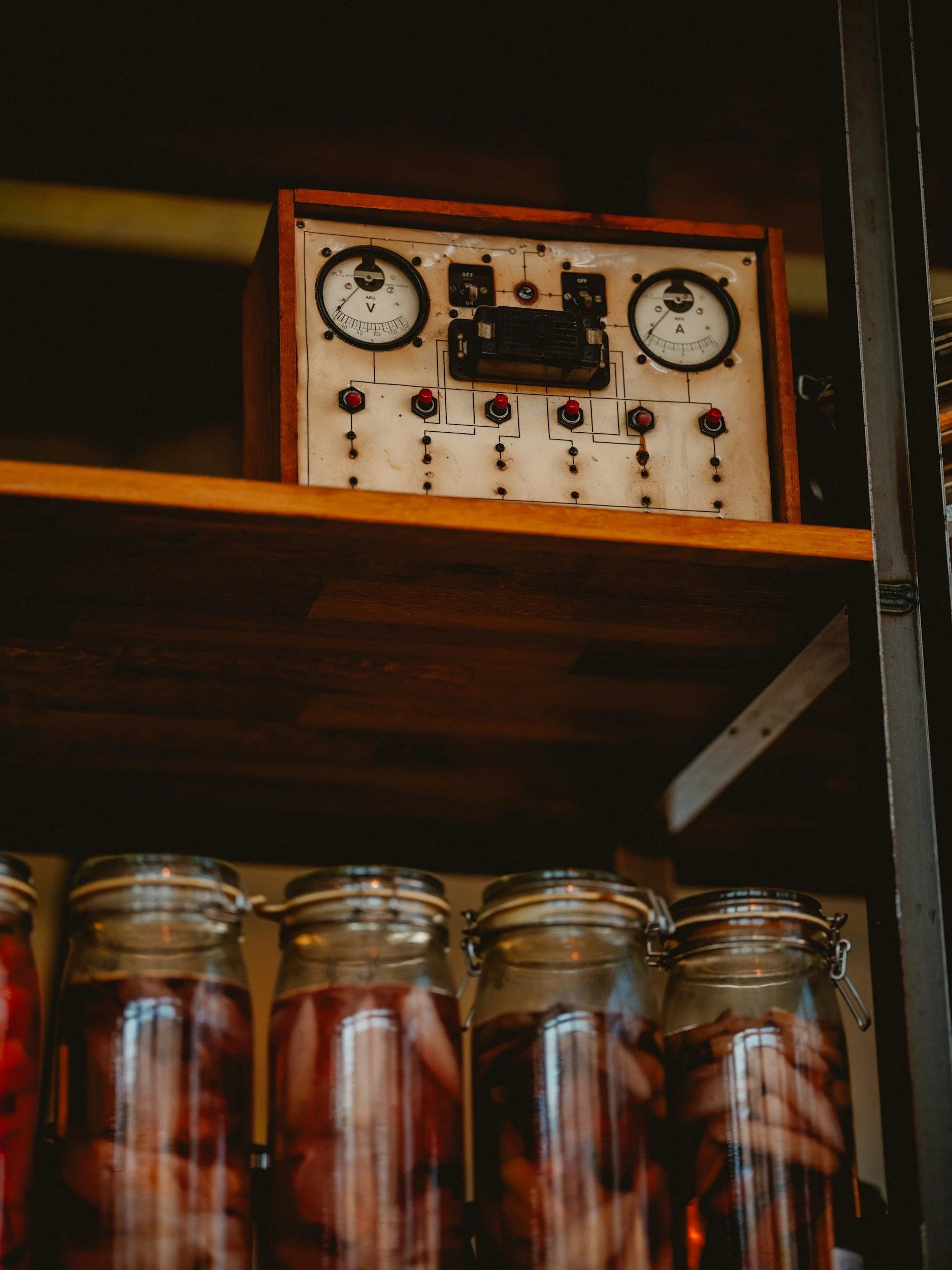
At home we shop for the back of the cupboard, simply replacing what we’ve eaten that week and ensuring we never fully deplete an essential resource. The oldest tin comes forward and the newest goes behind it. A deep store cupboard helps when the weather’s bad, money’s temporarily tight or getting to the shops is difficult.
This rotating-cupboard approach remains one of the easiest and least wasteful ways to become better prepared. Buy food your household genuinely enjoys. Use it as normal, replenish it as you go and gradually build enough depth to cover a couple of weeks.
At home, we have built a two-week reserve of dried and long-life foods. It is not a separate emergency hoard. It is simply part of our normal food supply, topped up each week as we use it. Learning to bake bread is also a super fun way to have ‘bread’ stored as flour, at home without it going moldy. Freezers are of course very useful, but when the power is out for a few days we can’t rely on them to store food long term.
We also have several water butts in the garden, and a LifeSaver Jerrycan as one option for filtering stored water when needed. Rainwater should never automatically be assumed safe to drink, and any filtration or treatment system must be used, stored and maintained according to its instructions and the likely source of contamination. The point is to think through your options before the tap stops running, not afterwards.
Practical preparedness from skills and knowledge before equipment
Useful household resilience might include:
Food that stores well and requires little fuel or water to prepare;
Safely stored rain water and a suitable treatment method;
Torches, batteries and charged power banks;
Warm clothing, blankets and sleeping bags;
Essential medication and first-aid supplies;
A battery or wind-up radio;
Important telephone numbers written on paper;
A safe way to prepare food if the electricity is unavailable.
Equipment is helpful, but it becomes far more useful when it is supported by knowledge and experience.
Owning a camping stove is not quite the same as knowing how to use it safely. Having a water filter is only reassuring if you understand its limitations and maintenance requirements. A first-aid kit cannot make decisions, control serious bleeding or reassure a frightened casualty on its own.
This is where learning practical skills can become an enjoyable part of preparing. It does not need to feel grim or driven by fear. A day spent learning to light a fire, cook outdoors, navigate, purify water or deal with an injury can be sociable, absorbing and genuinely good fun.
Learning alongside other people also changes the character of preparedness. You share mistakes, solve problems together and discover that somebody else may be better at a particular task. One person remains calm under pressure, another can repair equipment, someone knows how to cook creatively from basic ingredients and another naturally checks that everybody else is coping.
A family could practise cooking one evening meal without mains electricity. Friends might take a first-aid course together. Neighbours could compare what equipment they already own instead of each household buying the same expensive items. These small exercises create confidence without manufacturing anxiety.
Bushcraft skills are valuable because they turn abstract concerns into practical capability. Once you have made fire in wet weather, treated water, put up shelter or helped manage a realistic first-aid scenario, disruption feels less mysterious. You know that you can take useful action.
More importantly, these skills improve your ability to help somebody else. Preparedness should not simply ask, “Can I look after myself?” It should also ask, “What could I contribute if somebody near me needed help?”
These ideas closely reflect Swedish guidance. But one of its most important recommendations is not an item at all: get to know your neighbours.
Sweden’s advice explicitly states that people should prepare with others, consider what can be shared and build relationships before a crisis occurs. Knowing your neighbours makes cooperation easier when normal systems are under strain.
The healed femur
There is a powerful story, often attributed to anthropologist Margaret Mead, about a healed human femur being an early sign of civilisation. The attribution is uncertain, so it is better understood as a parable than as a firm archaeological test.
The idea remains compelling. A person with a severely broken leg could not easily gather food, fetch water or escape danger. For the bone to heal, other people may have had to protect, feed and care for them. Once recovered, that person could again contribute to the group.
The story reminds us that human strength has never rested solely on individual toughness. We survived because we looked after one another while injured, sick, young, old or temporarily unable to carry our share.
What the Blitz can genuinely teach us
The Blitz is often reduced to a comforting story about universal good humour and effortless “Blitz spirit”. The reality was more complicated. People experienced fear, exhaustion, inequality and organisational failures.
Nevertheless, large-scale voluntary action mattered enormously. The Women’s Voluntary Services operated emergency rest centres to provid food and first aid, supported displaced families and helped evacuate children. By 1943 it had more than one million volunteers.
Historians examining wartime civil defence make an important point: volunteers were mobilised in great numbers, but the response worked best where local networks, communication, preparation and coordination already existed. Community cannot simply be switched on when disaster arrives.
We should build those bridges during peaceful times.
Learn the names of the people next door. Notice who lives alone. Share tools and knowledge. Join a local group. Offer help before you need help yourself. These small acts create the relationships we may one day lean upon.
Our greatest survival skill
Lone-wolf survival skills are cool, and they have their place. Knowing how to make fire, find water, navigate, administer first aid and stay warm can make an enormous difference. Individual capability matters, particularly when somebody needs to take initiative and others are unsure what to do.
But independence is only part of resilience.
Human beings are not built to thrive in isolation. Throughout our history, we have lived, travelled, hunted, gathered, raised children, shared food and overcome hardship in groups. Our bodies may not be the fastest or strongest in nature, but our ability to communicate, teach, organise and cooperate has carried us into almost every environment on Earth.
Every skill we value was passed from one person to another. Someone showed us how to light a fire or recognise a plant. Even the person who appears completely self-reliant is standing on generations of shared knowledge.
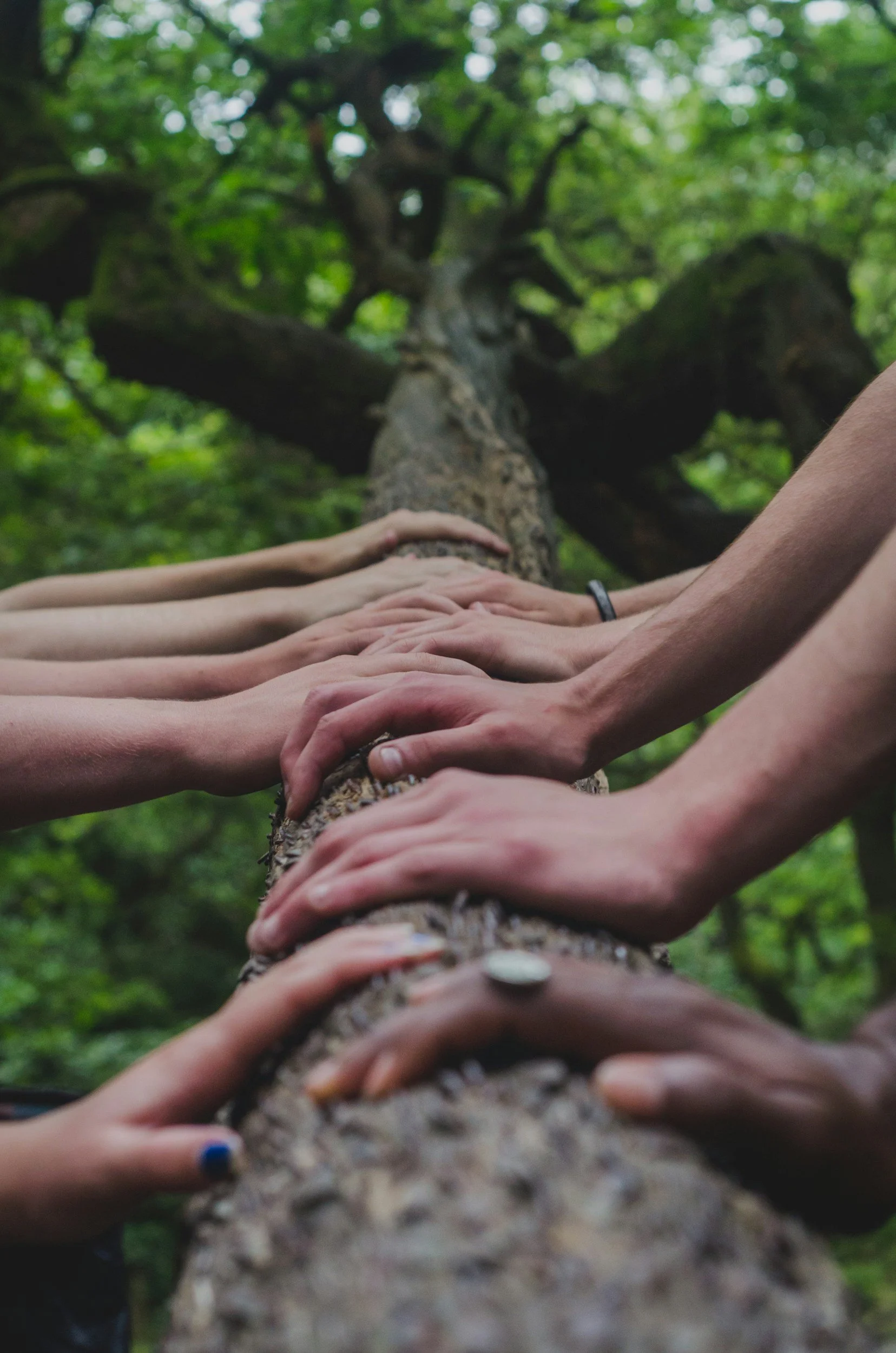
Community also allows us to be imperfect. No individual can know everything, carry everything or remain strong indefinitely. There will be days when we are the capable one and days when we are the person with the broken femur. A resilient group makes room for both.
That is why preparedness should include relationships as deliberately as it includes food and water. Ask who nearby has medical knowledge. Find out who might need assistance during a power cut. Learn who owns tools, who can cook for a group and who has a vehicle. Arrange a meeting point. Exchange telephone numbers before the mobile network fails.
These conversations might feel unnecessary while everything is working, but that is precisely when they are easiest to have. Trust built during ordinary days becomes something real to lean on during difficult ones.
Our greatest survival skill is not aggression, secrecy or the ability to disappear alone into the woods. It is our capacity to collaborate, compromise, share responsibility and care for people who cannot immediately repay us.
The lone wolf makes a compelling story, but wolves themselves survive through the pack.
We need each other. We become safer when we are there for one another. The best chance we have of seeing difficult times through is not retreating separately into fear, but preparing calmly, learning useful skills and building communities strong enough to carry one another when any of us falls.
Is there anything you do at home day to day that people might find useful? Offer an idea in the comments and let keep a community of ideas going.
warmest regards
JD