Winterland to SummerLand: Leading Bushcraft Groups in Northern Sweden
There’s a rare privilege in seeing the same landscape through the airs of two very different seasons. Northern Sweden with its frozen winter silence and again in its sunlit summer waterways is one of the most instructive places I’ve found to teach, learn, and lead others in bushcraft. Guiding groups on both Borealis Winterland and SummerLand trips has taught me a host of of lessons, all leaning towards a quiet revelation. Bushcraft whispers an understanding of nature, feeling in its full cycle and developing both transferable outdoor skills and season-specific competence grounds our experiences in the same hemispherical turning of our world.
With Howl, working with Adam Logan and Northern Soul Journeys in creating these sister courses allows our clients to experience the environment fully, appreciate the nuances of each season, and understand how skills learned in one context adapt and translate to another.
A Land of Two temperaments
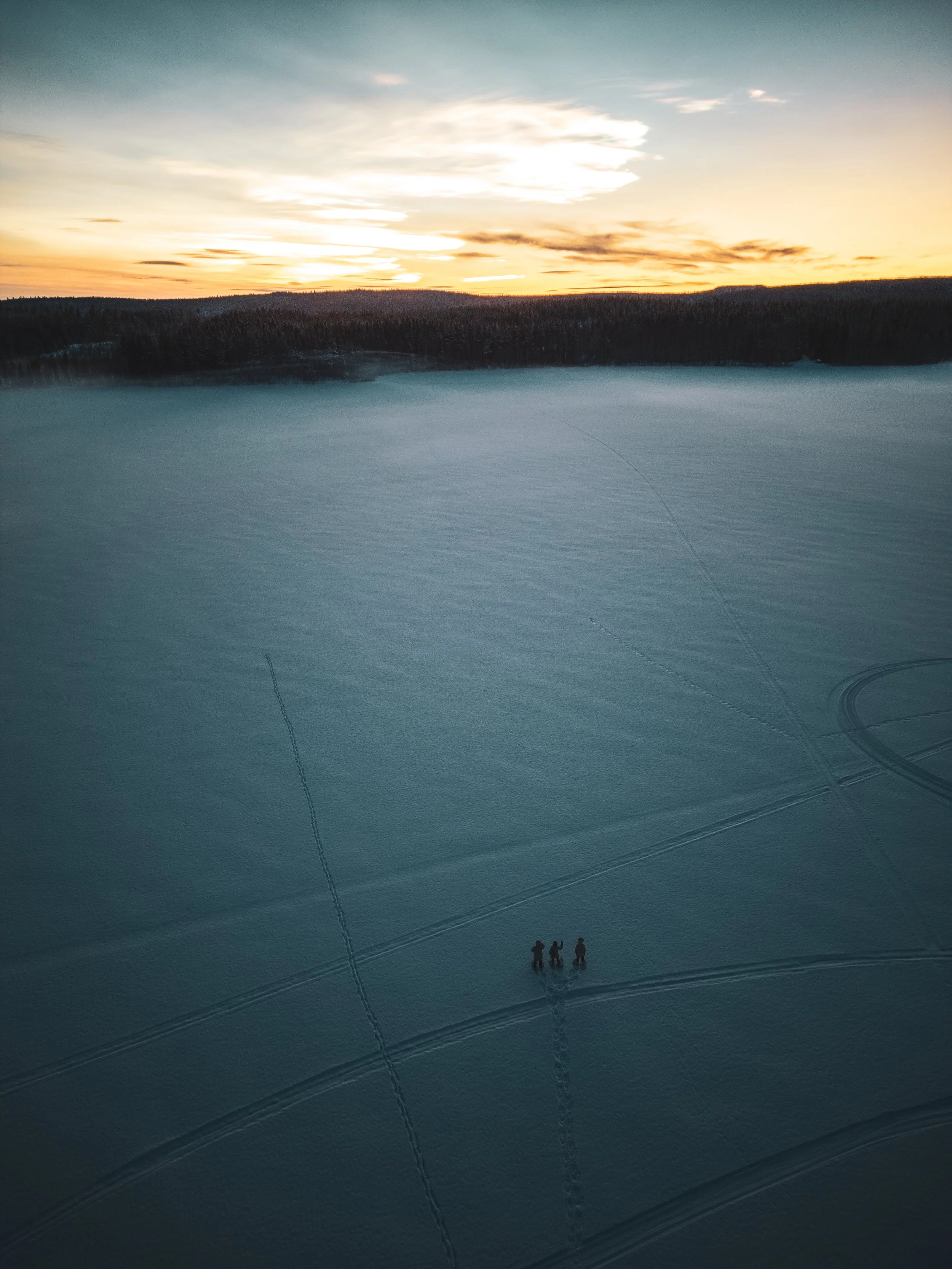
Northern Sweden exists in two worlds.
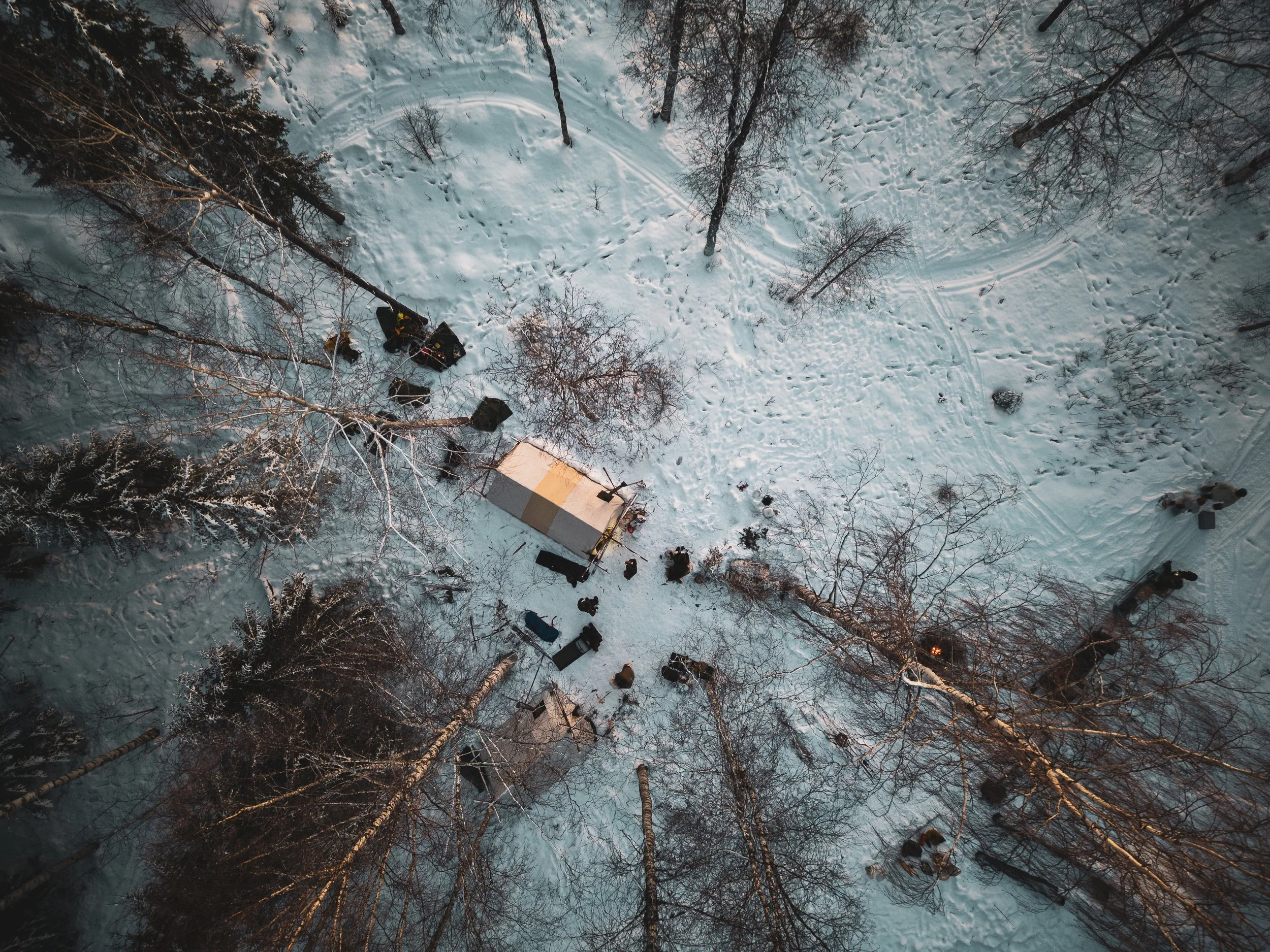
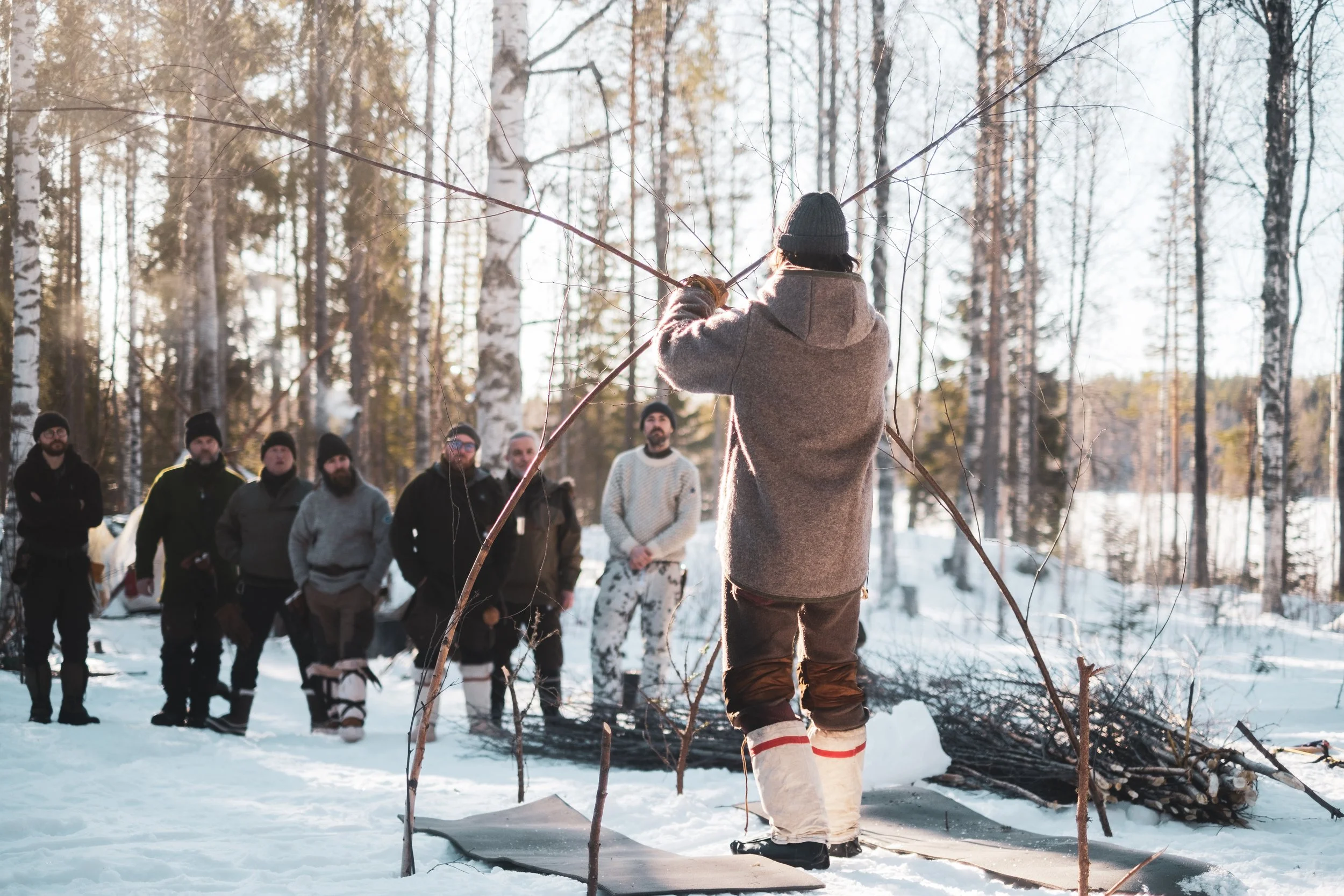
Winter transforms forests and fells into a monochrome landscape of snow and ice. Temperatures plunge, daylight hours are short, and the environment demands respect and careful preparation. Firecraft, cold-weather shelter building, route planning in snow, and thermal management are not just theoretical skills, they are essential, lived experiences. Every journey teaches patience, observation, and the subtle art of managing risk in extreme conditions. Even the clothing you wear can teach you something about craft, the old ways, and the failings of modern fashion.
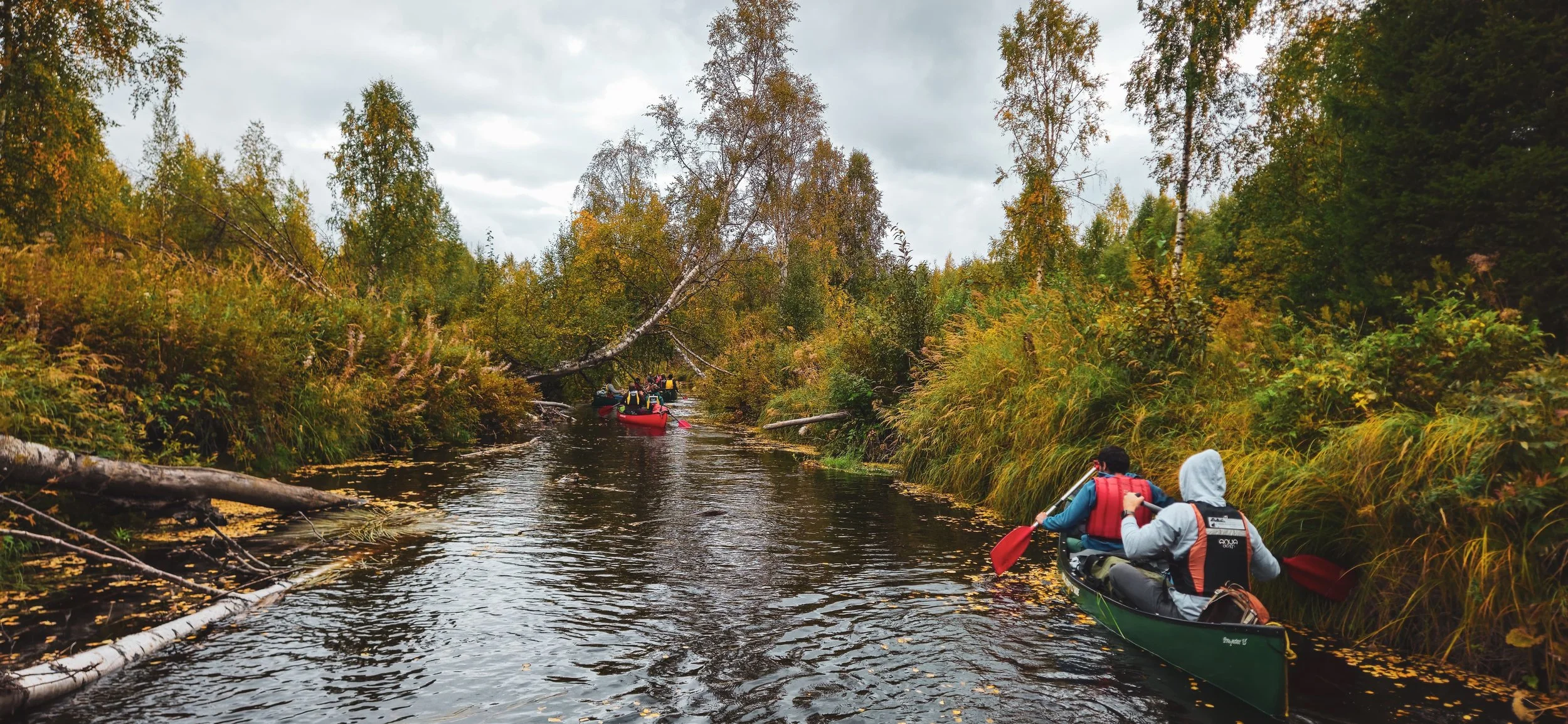
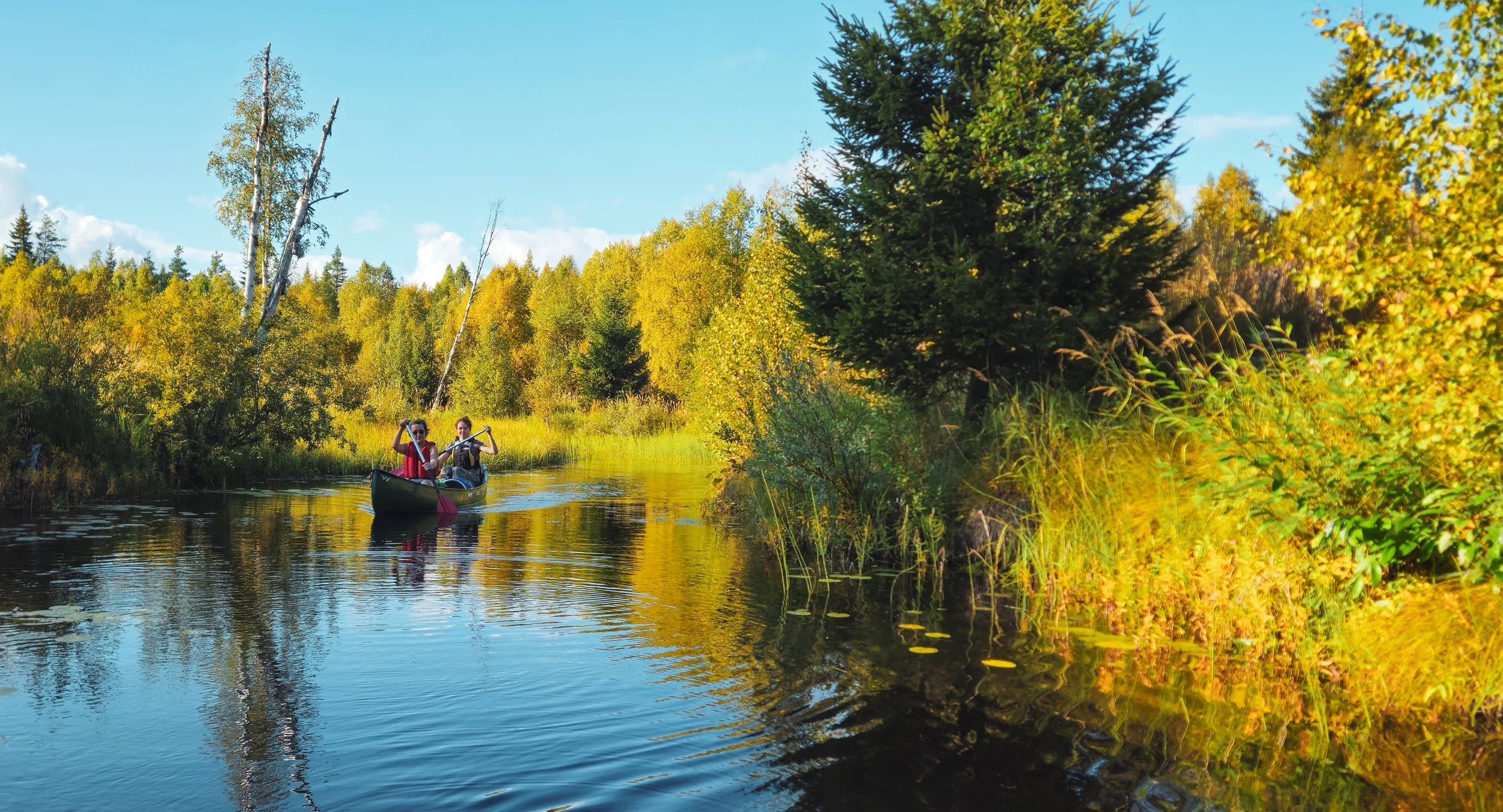
Summer, by contrast, brings opportunity for a journey of waterways and thick woodland life. The Borealis SummerLand trips are primarily canoe expeditions, gliding through rivers and lakes lined with dense bilberry and lingonberry bushes. Beavers leave their mark, and wildlife sign abounds in the warm, long days of the near Arctic sun. Canoe travel, camp-crafts, and woodland foraging dominate the learning, alongside wilderness cooking and waterway-based route planning. Here, bushcraft is all about moving fluidly with the natural flow of the landscape.
Experiencing both seasons side by side allows participants to see how summer teaches flexibility in abundance and winter instils precision in constraint. Each season enhances the other, giving students a broader, more nuanced perspective on outdoor skills.
Leading Groups: Summer and Winter Perspectives
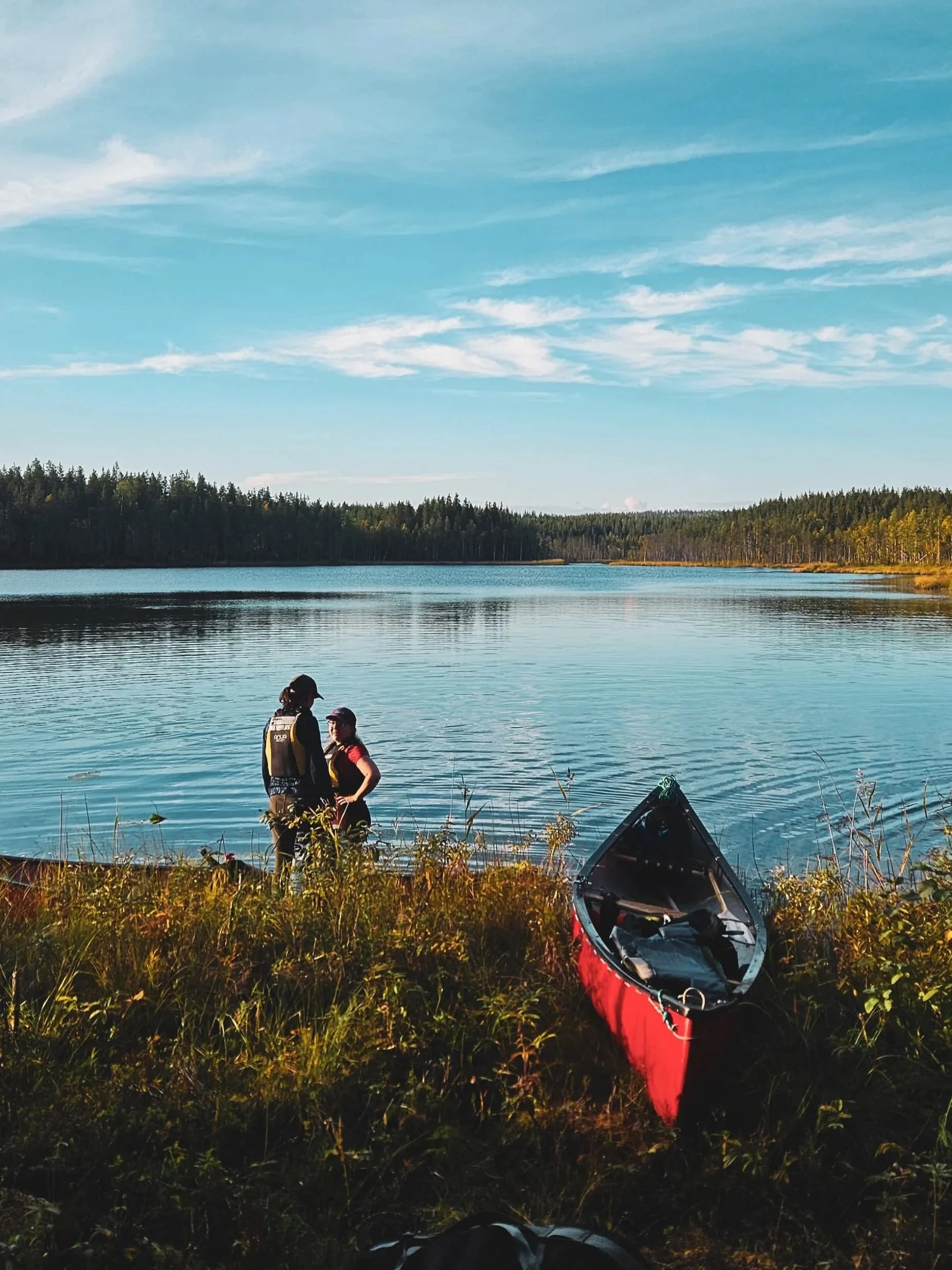
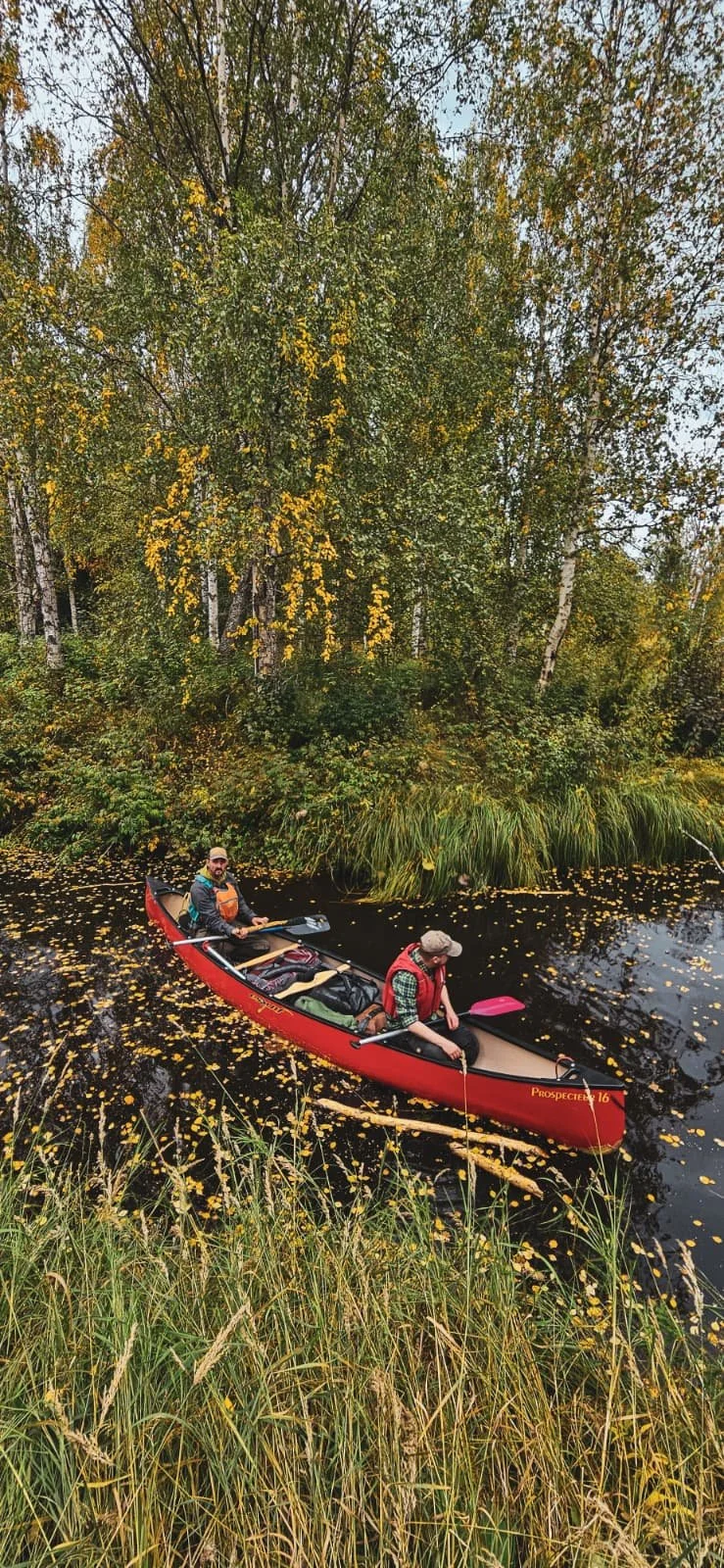
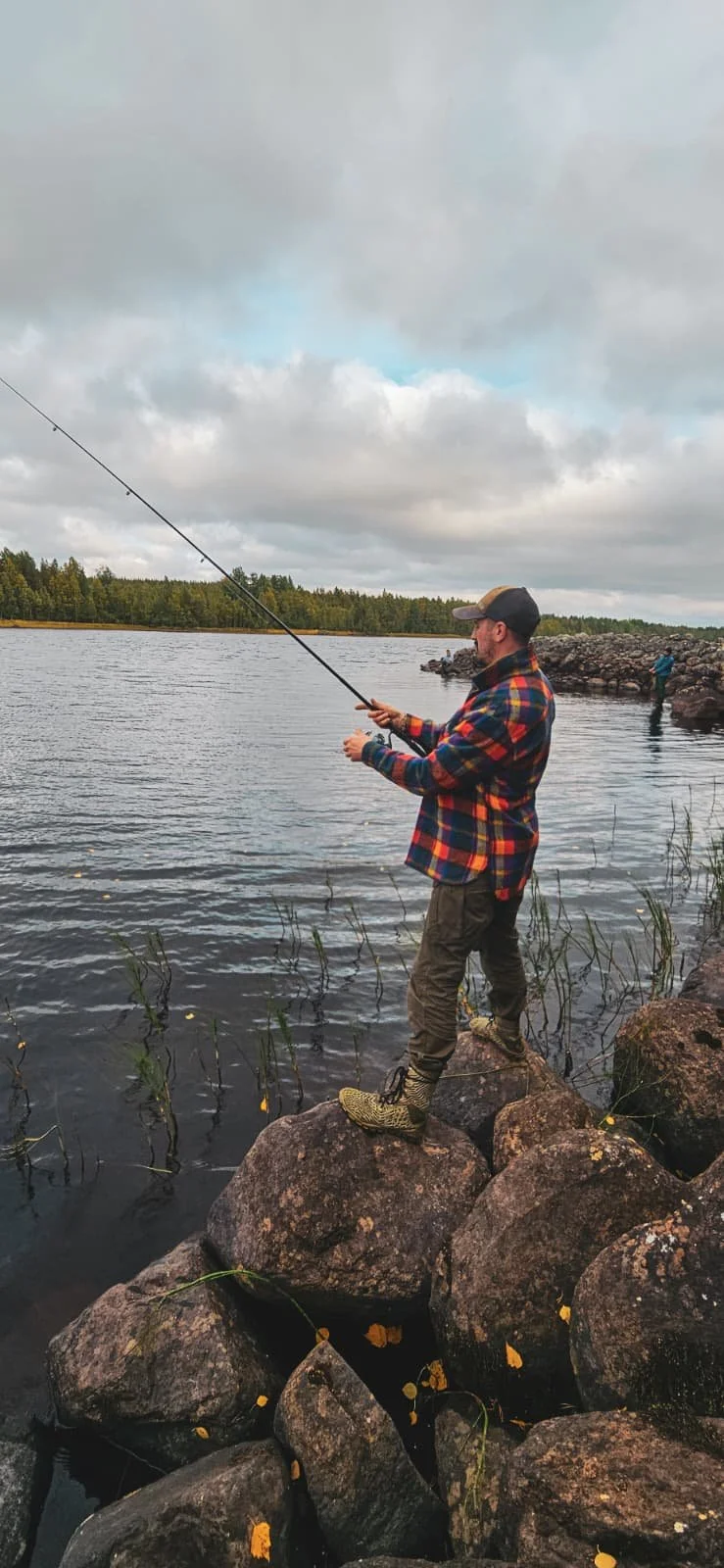
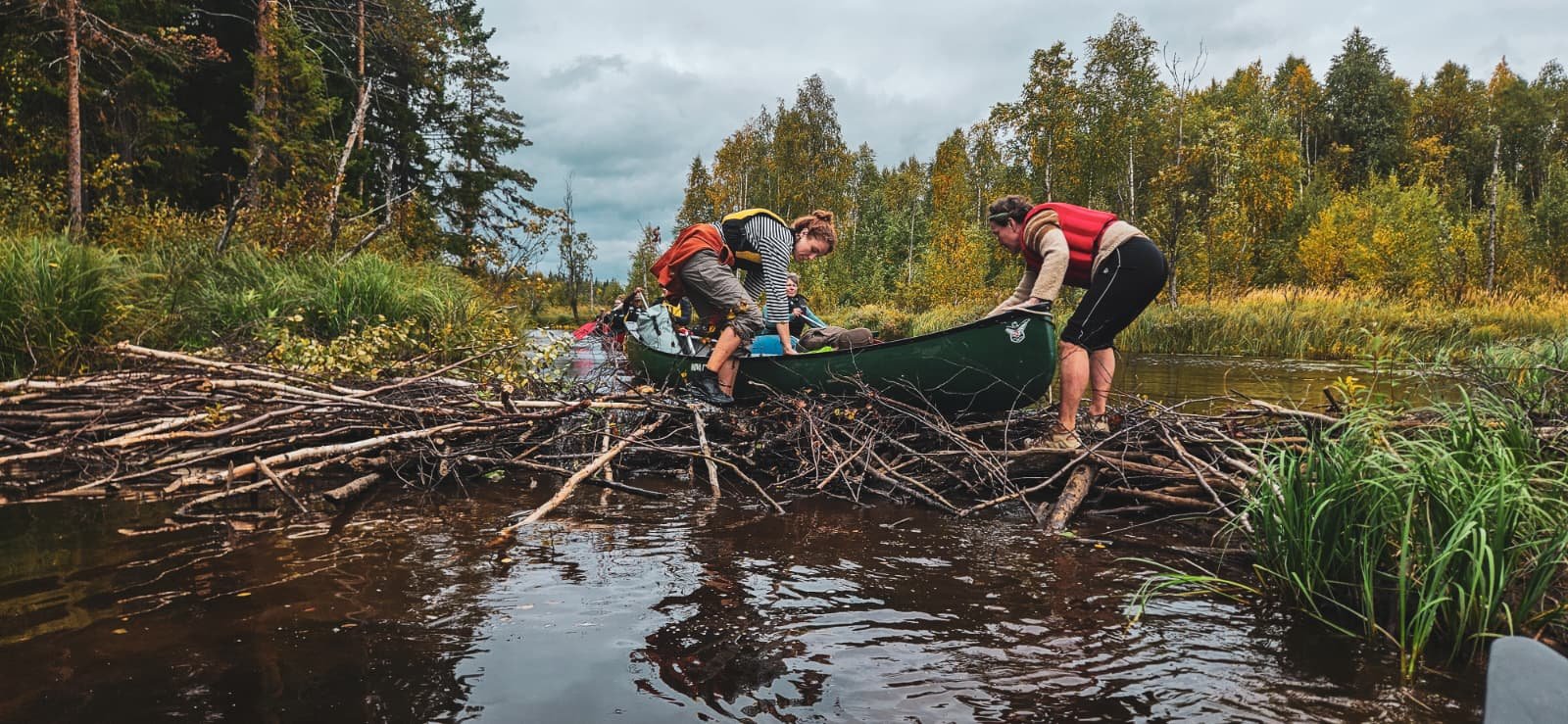


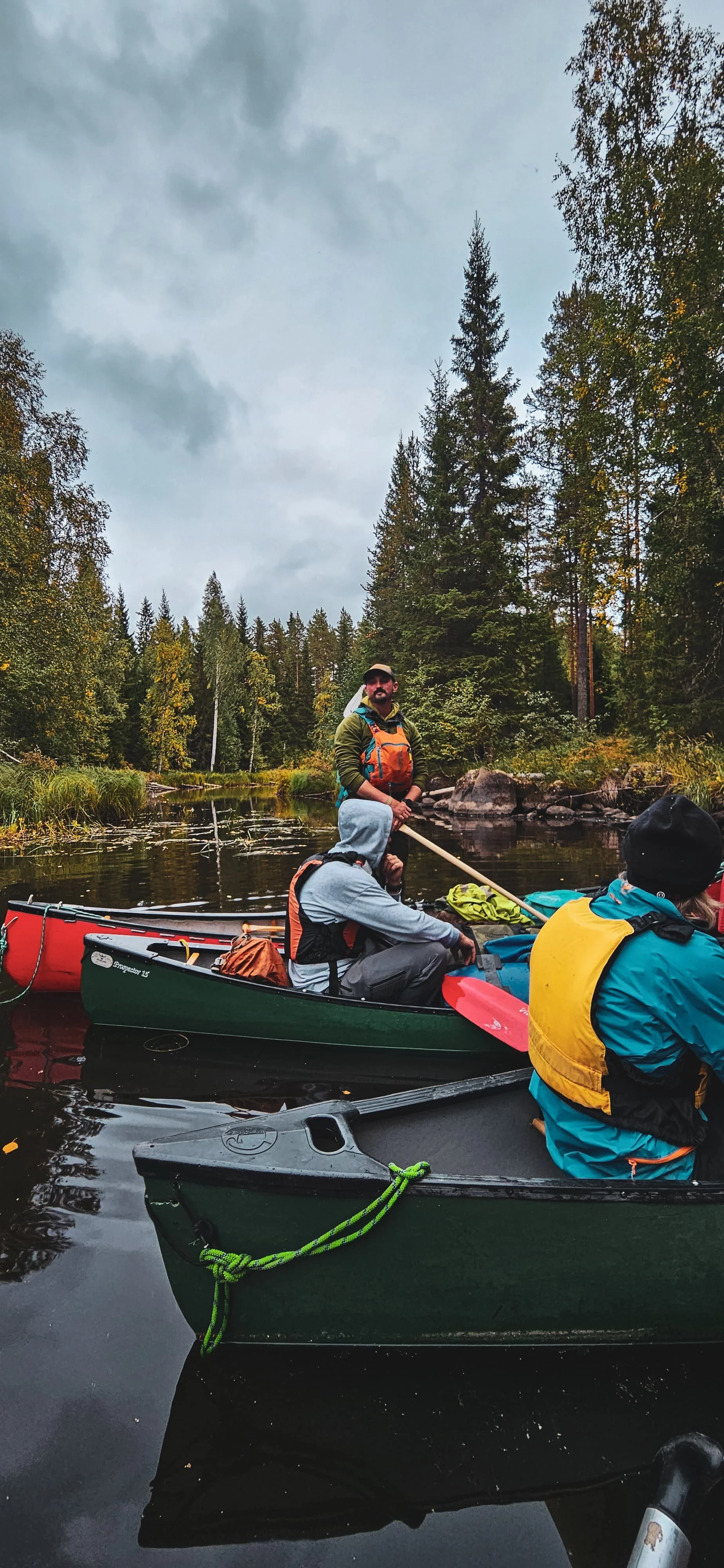
Summer canoe journeys allow participants to engage with the environment in a tactile, sensory way. Paddling between islands, threading through narrow channels lined with thick brush, and spotting beaver lodges and tracks along the shoreline brings an immediacy to bushcraft learning that is difficult to replicate elsewhere. Clients develop skills in canoe navigation, selecting suitable landing points for camp, and integrating natural observation with practical decision-making all while enjoying the rhythm of moving through water.
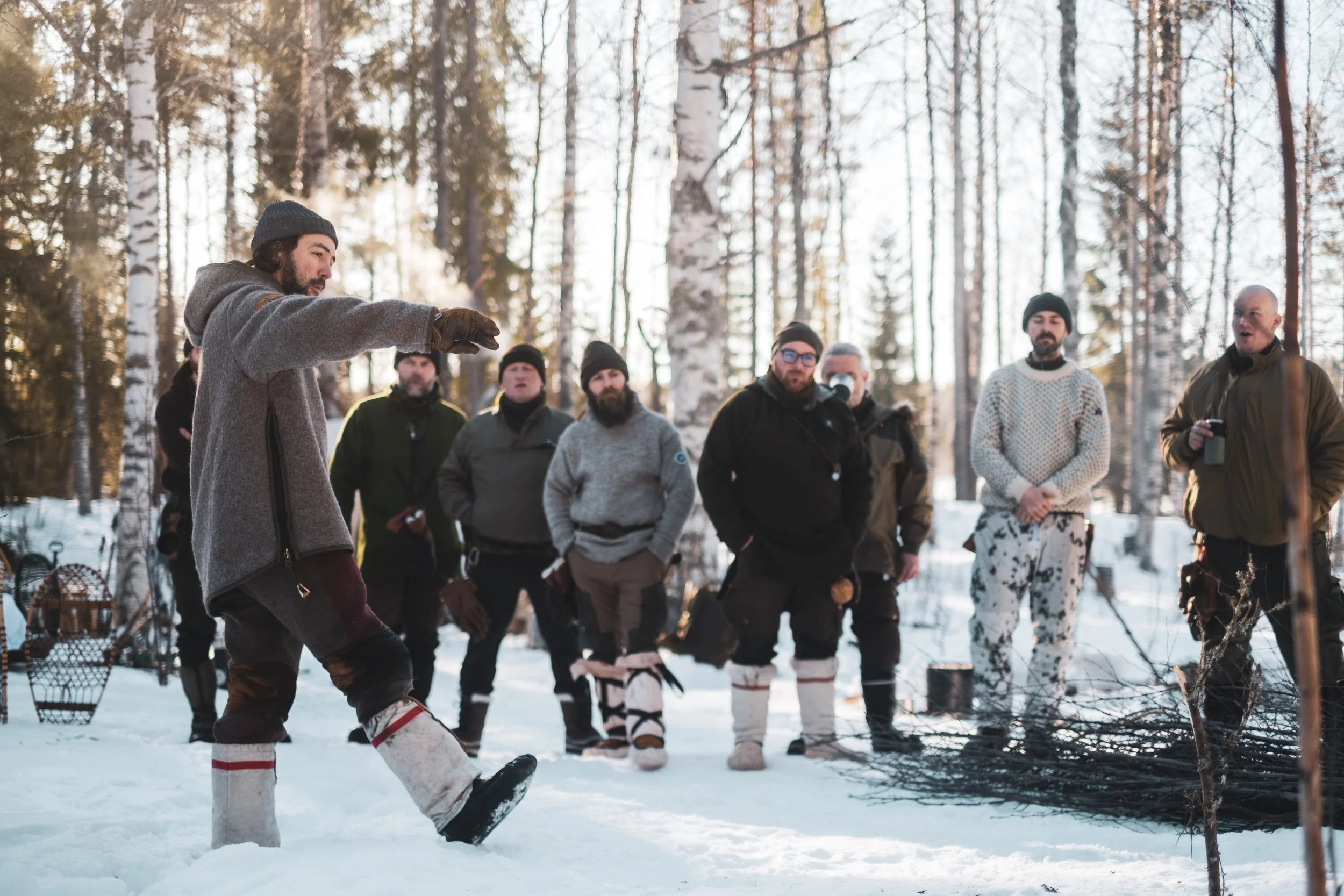
Winterland trips, on the other hand, focus on self-awareness, efficiency, and safety in snowbound landscapes. Groups learn to manage snow shelters and stoves heated tents, cold-weather firecraft, and navigation in snowshoes with toboggans in tow, developing confidence and resilience. The contrast with summer is stark — yet it reinforces the same principles of observation, planning, and adaptability that underpin all bushcraft learning. Lessons that Adam brings years of training and experience from Canada and Sweden to the course.
Experiencing the environment in both seasons teaches transferable skills from firecraft and navigation to shelter building and water acquisition while highlighting season-specific techniques unique to summer canoeing or winter trekking. While for example, sourcing water differs, making it potable remains the same process.
Learning from Locals: The Value of Jeremias
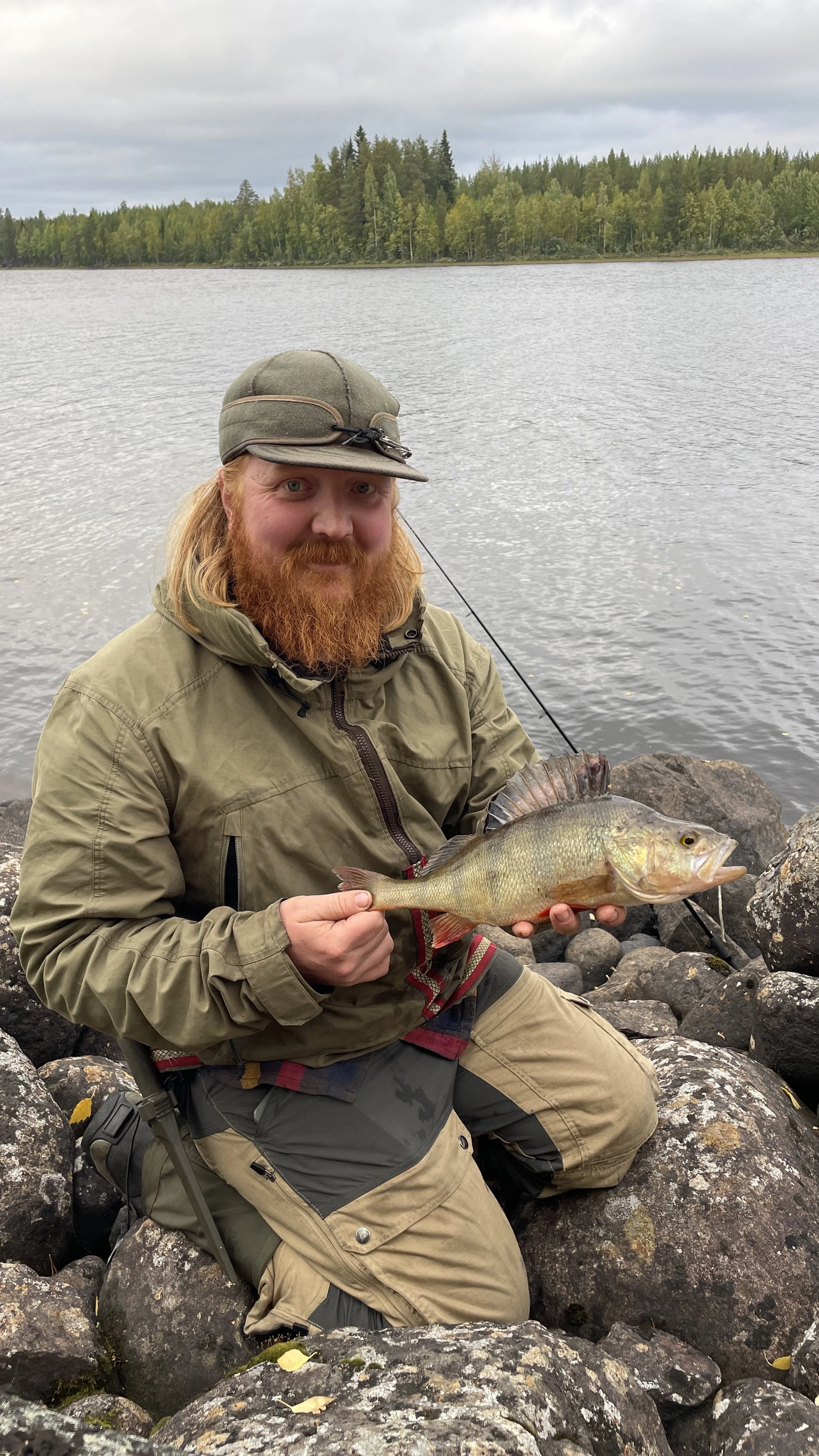
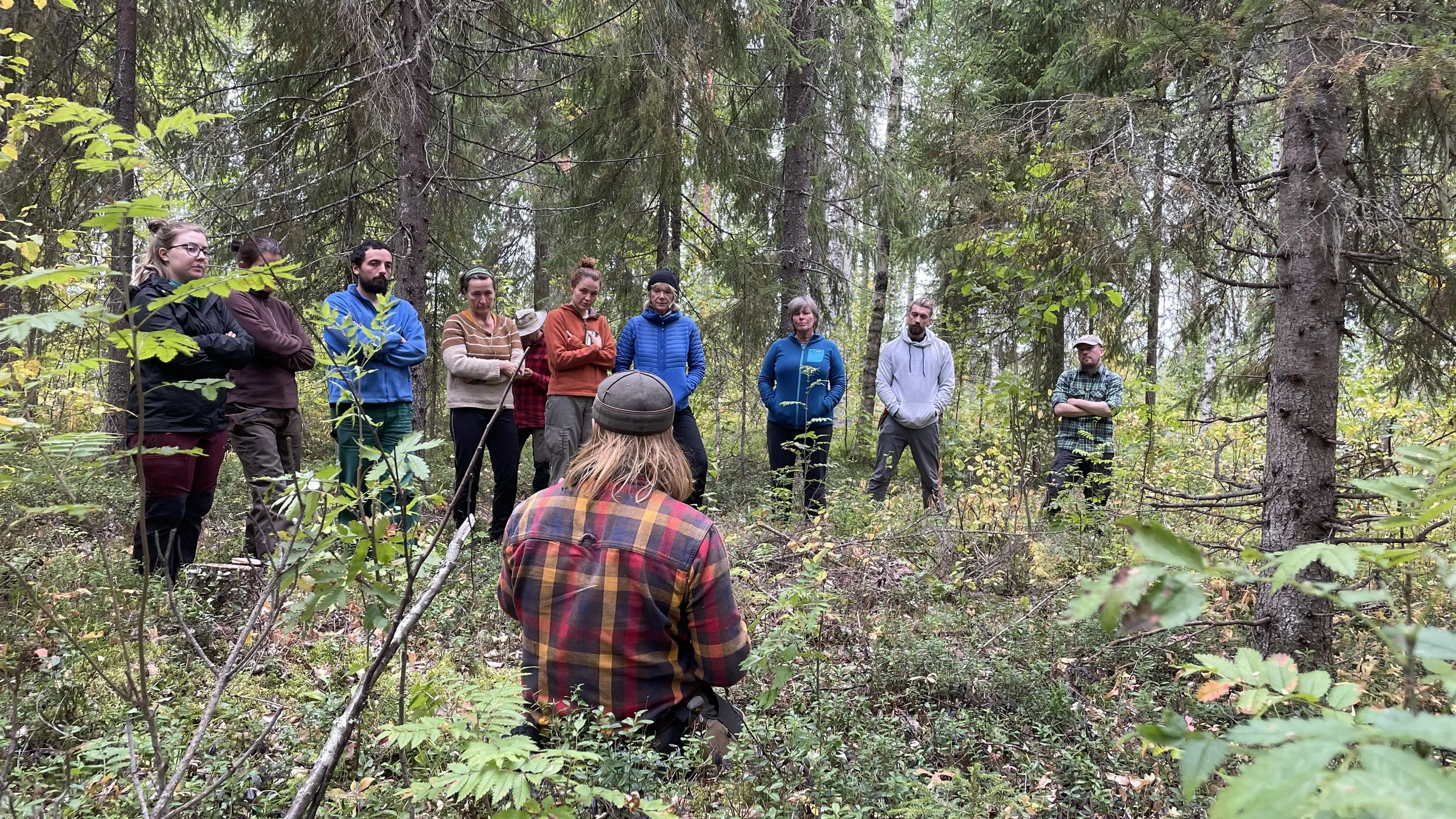
True understanding comes from local knowledge. Working with Jeremias on both summer and winter trips has been invaluable. He brings decades of experience navigating Sweden’s waterways and forests, and an authentic perspective on how people live and enjoy the outdoors here. His guidance helps myth-bust commonly held assumptions about northern Sweden, from misconceptions about winter temperatures to the practical realities of living and moving through summer waterways with respect to the communities that live here.
I’ve sat by the fire listening to my friend imbue our clients with a profound insight to the local ecology, a practical and sympathetic approach to bushcraft which when applied in a sympathetic way in the local not so ‘wilderness’ though it seems, aligns our hopes in the area with respect for the people and their property. I’d think twice before felling a seemingly wild dead-standing pine. His cheeky demeanour balances a well of straightforward outdoor thinking which makes for great viewing when watching him teach: “it’s common to hear that at -30c a full tang knife will freeze your hand in contact with the metal, so you should adopt a typical stick-tang knife to prevent this” but given everything is going to freeze your hand quicker at that temperature perhaps it’s better to just “wear appropriate gloves/ mitts for the conditions”? you can use whatever knife you like if you have gloves on.
Clients benefit not only from his practical knowledge but also from just hanging out with him, which brings the environment to life and fosters a deep connection to place. This is experiential learning at its best: skills taught, culture shared, and perspectives broadened.
Skills That Transfer Everywhere
The beauty of this approach is that skills learned on northern Sweden trips translate far beyond the Boreal. Summer canoe navigation, woodland awareness, and outdoor problem-solving apply to UK rivers and lakes. Winter snow management, firecraft, and shelter building translate to cold-weather environments anywhere. Clients leave with a versatile, transferable skill set while also appreciating the specific techniques needed for each season.
Why Seeing Both Seasons Matters
“You don’t truly know a place until you’ve experienced it in all its seasons.” Summer reveals abundance, waterways, and wildlife; winter teaches restraint, precision, and heart aching beauty. Together, they provide a complete picture of northern Sweden and a holistic approach to bushcraft. Experiencing both ensures participants understand why skills are practiced in certain ways, see the environment as a dynamic system, and develop a confidence that comes from both experience and observation.
At Howl Bushcraft, our goal is not just to teach skills, it’s to provide adventure in transformative experiences, showing clients the richness of both summer and winter landscapes, and how bushcraft knowledge grows when applied across environments, seasons, and conditions.