Finding fuel for the secret fire
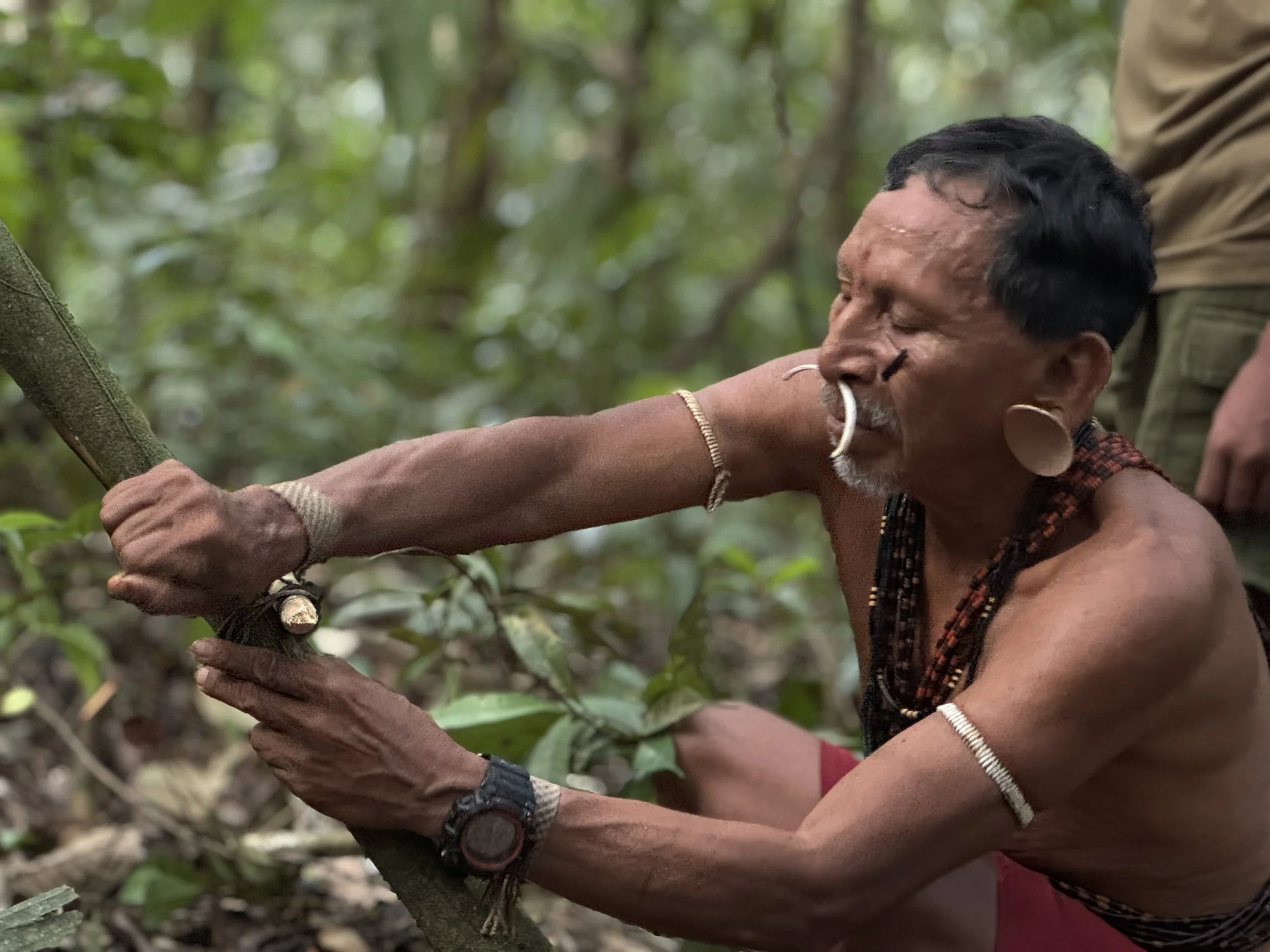
I journeyed to the Amazon not to tally another line upon the ledger of things accomplished, but to feel the vastness of the world pressing gently upon me, immeasurably old, incomparably deep. I went, as always, in search of fuel for the hidden fire.
For those of us who make our living guiding others through bushcraft courses and outdoor skills training, we are uniquely placed not only to teach practical knowledge, but to awaken a lasting love for the natural world. For many young people, we are the gateway, an introduction to a life they have yet to discover. Yet there comes a time when familiar sessions and well-trodden woodland paths begin to feel easy. If we fail to notice the shift in our voice, we risk becoming like the dusty teacher who drained the life from great stories. Worse still, we risk losing the chance to ignite true wanderlust in those we teach.
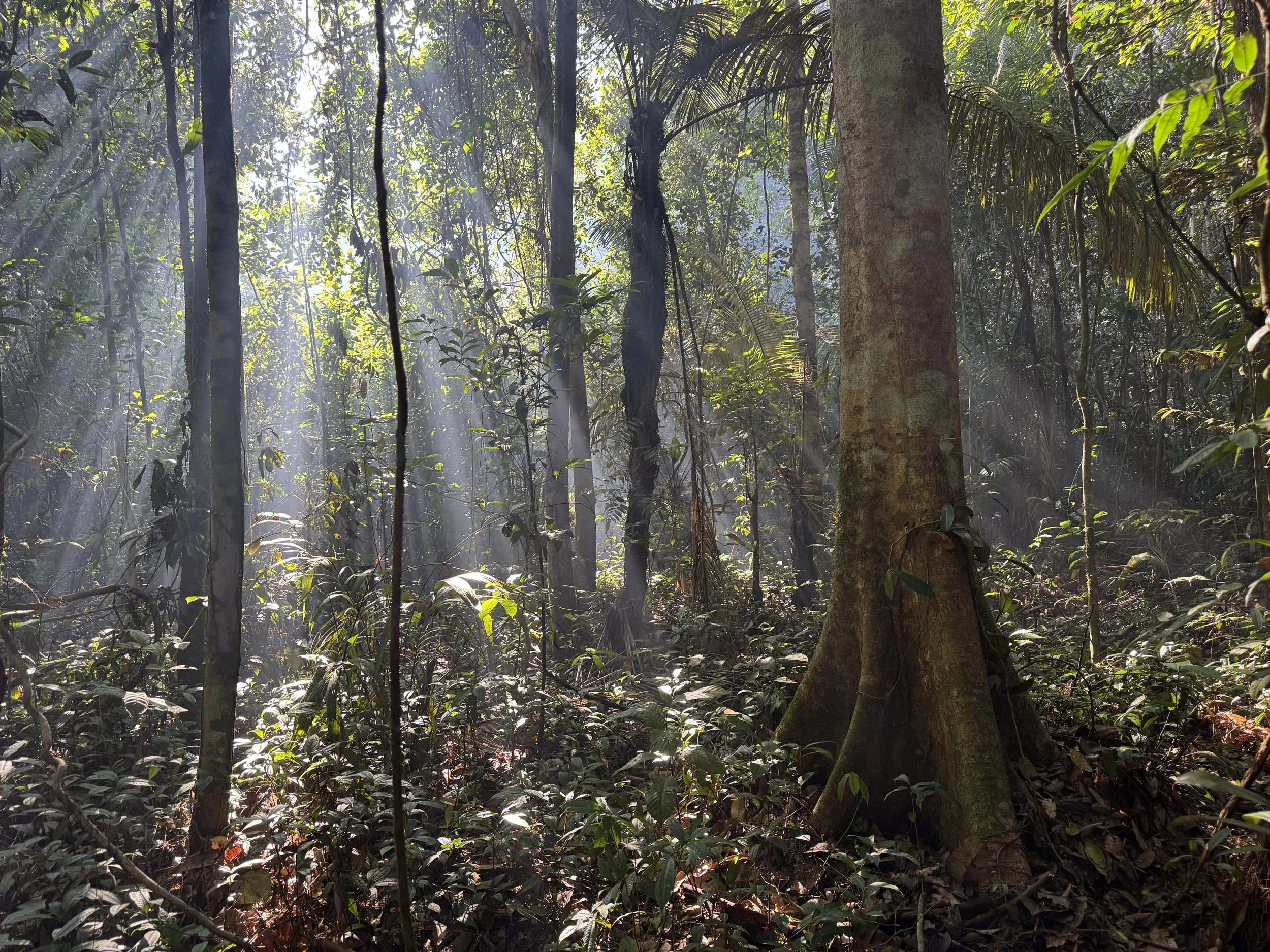
To keep that fire alive, both for ourselves and our students, we must occasionally step beyond the circle of our knowing. We must stray with purpose, seeking the kind of learning that only comes from immersion in the unknown. This is where real growth happens, whether through advanced bushcraft courses, remote expeditions, or journeys into unfamiliar environments.
That is why meaningful CPD, true professional development for outdoor instructors, is not a simple box-ticking exercise. Sometimes it demands that we step far outside the ecosystems we are comfortable in. Challenging experiences, such as Amazon jungle expeditions or expeditions to visit indigenous people, push us to our physical, emotional, and cultural edges. These journeys expand our skillsets in ways that day-to-day teaching never can, sharpening us not only as practitioners of bushcraft, but as storytellers and guides.
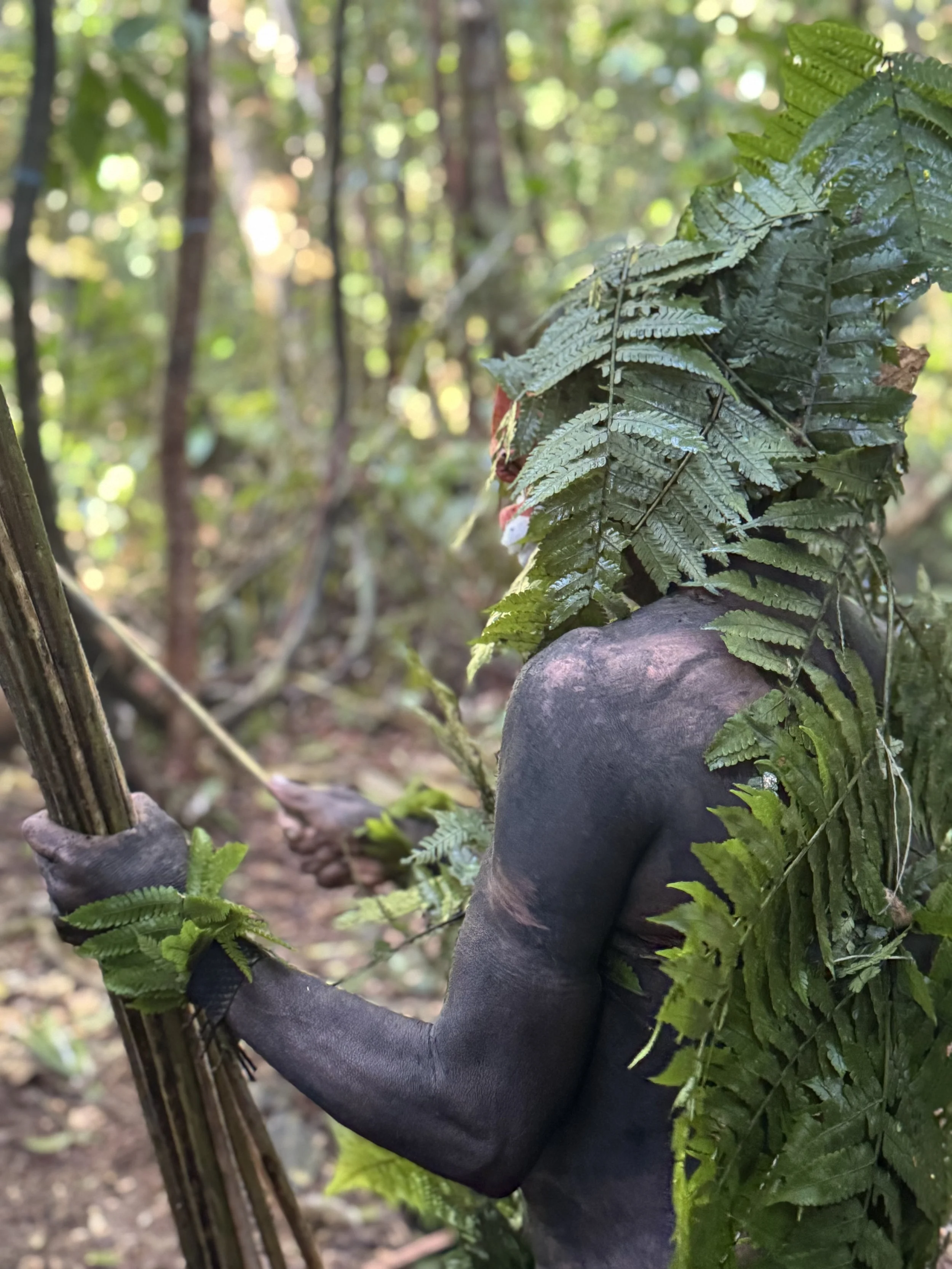
When I arrived in the Amazon, I found myself once again a novice. Much like my early winter experiences in Sweden, fumbling with numb fingers and learning the language of snow and ice, I was confronted here with a depth of flora and life I had never known. My teachers were local guides whose ancestors had walked those forests long before our histories were written. They carried generations of lived knowledge; knowledge not delivered through structured lessons, but through quiet demonstration.
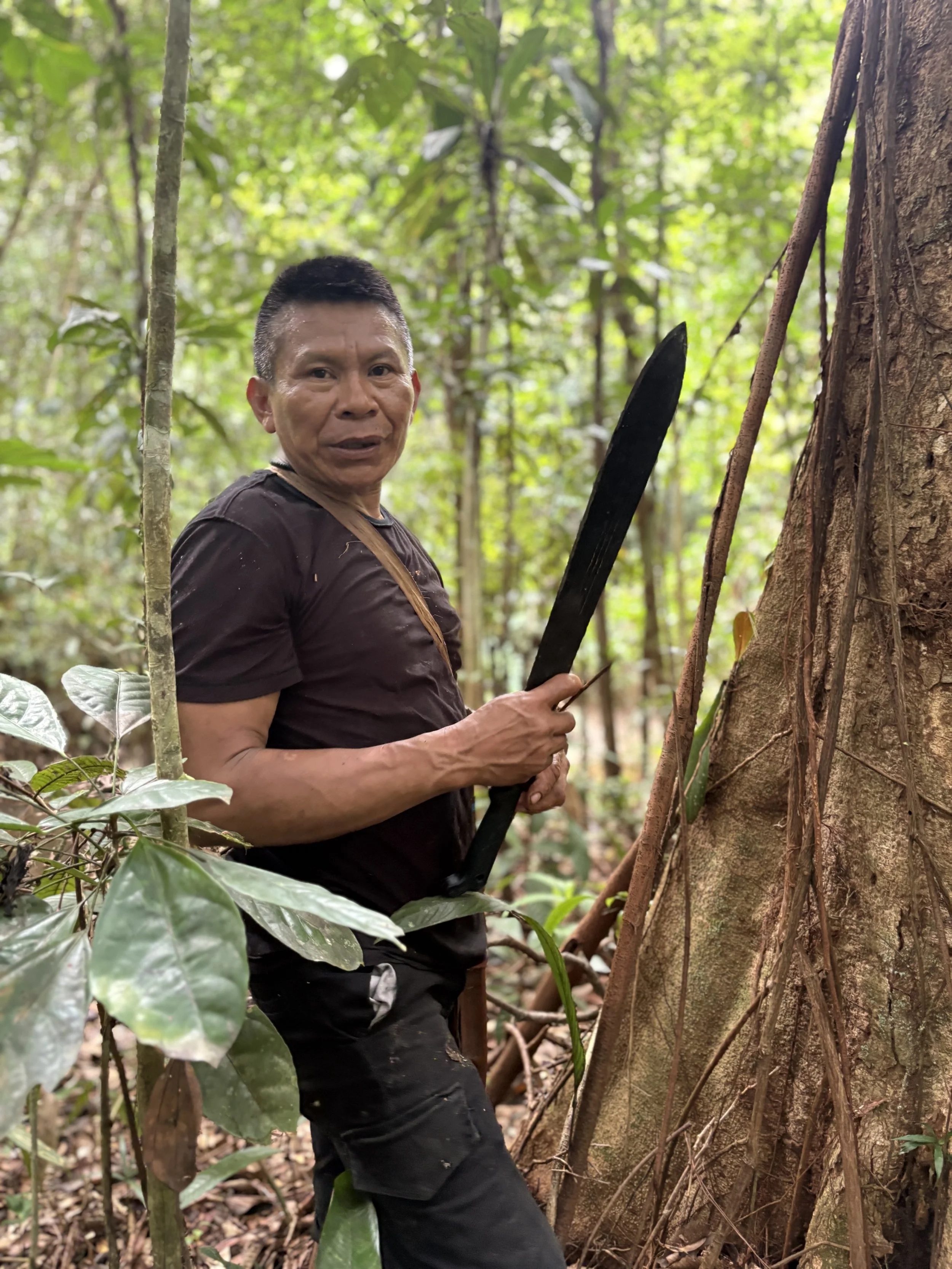
Meaning was found in the unhurried turn of a blade, the subtle gesture of a hand, the patient pause before moving through dense undergrowth. They spoke the language of the land fluently. Experiencing this style of teaching has deeply influenced how I now deliver my own bushcraft courses at Howl Bushcraft, bringing a quieter, more observational approach into my sessions.
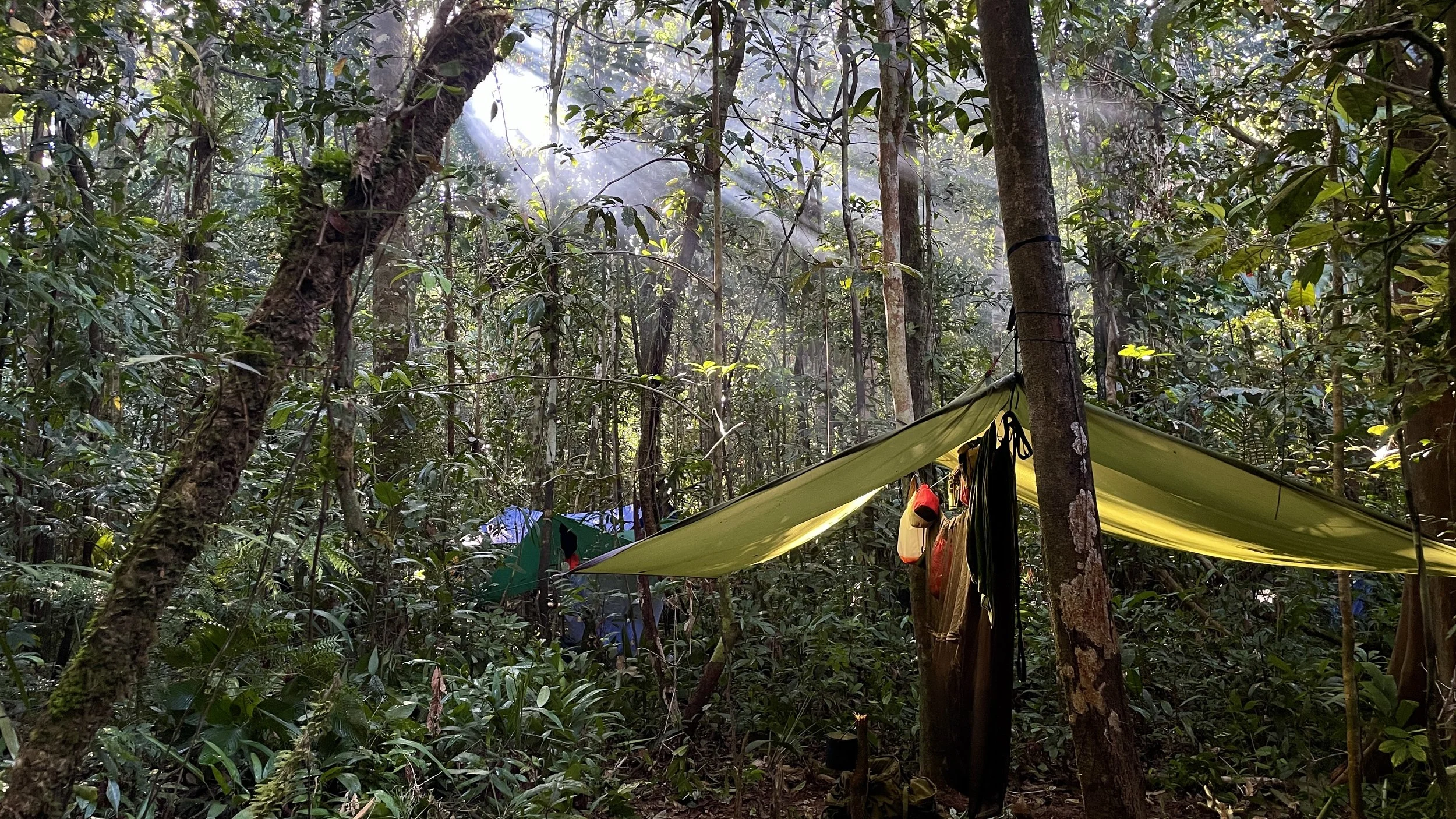
Expeditions like this enrich an instructor in profound ways. They expand your practical toolkit, not through formal instruction, but through total immersion. You learn to adapt your craft to unfamiliar materials, climates, and challenges. Whether navigating dense rainforest or learning from indigenous communities in the Amazon, these experiences build resilience and confidence in ways no classroom ever could.
More importantly, they transform your mindset. They temper pride, deepen humility, and remind you that your work is part of a far older story. To teach bushcraft is not simply to pass on skills, it is to pass on a lineage of connection, curiosity, and respect for the natural world.
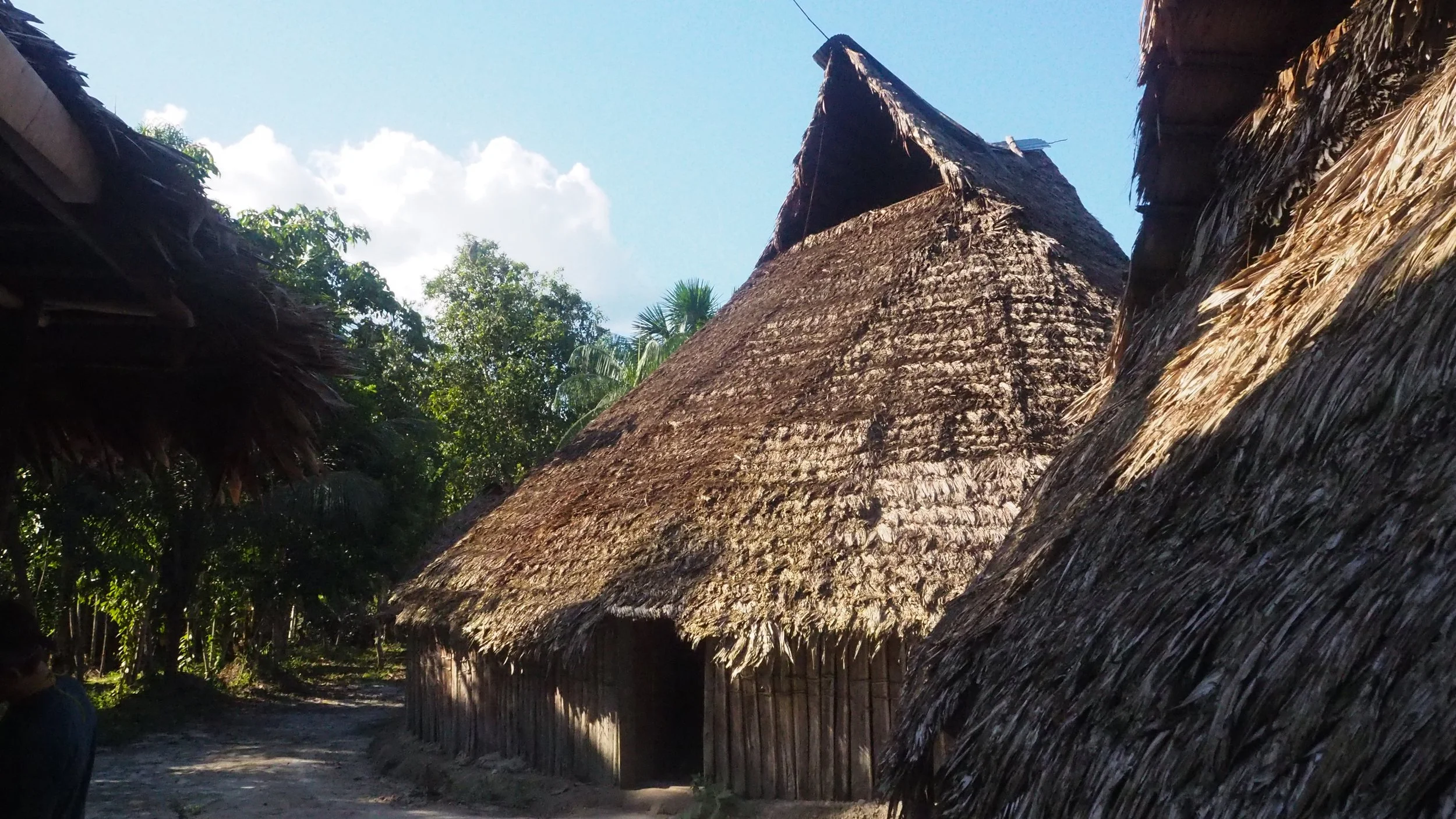
This kind of enrichment is subtle, yet powerful. You return with a living, chest-thumping sense of awe and your students feel it. When an instructor shares from genuine experience, when they can say, “I struggled with this too, and here’s what I learned in the field,” it creates a deeper connection. Students engage not just with the skill, but with the story behind it.
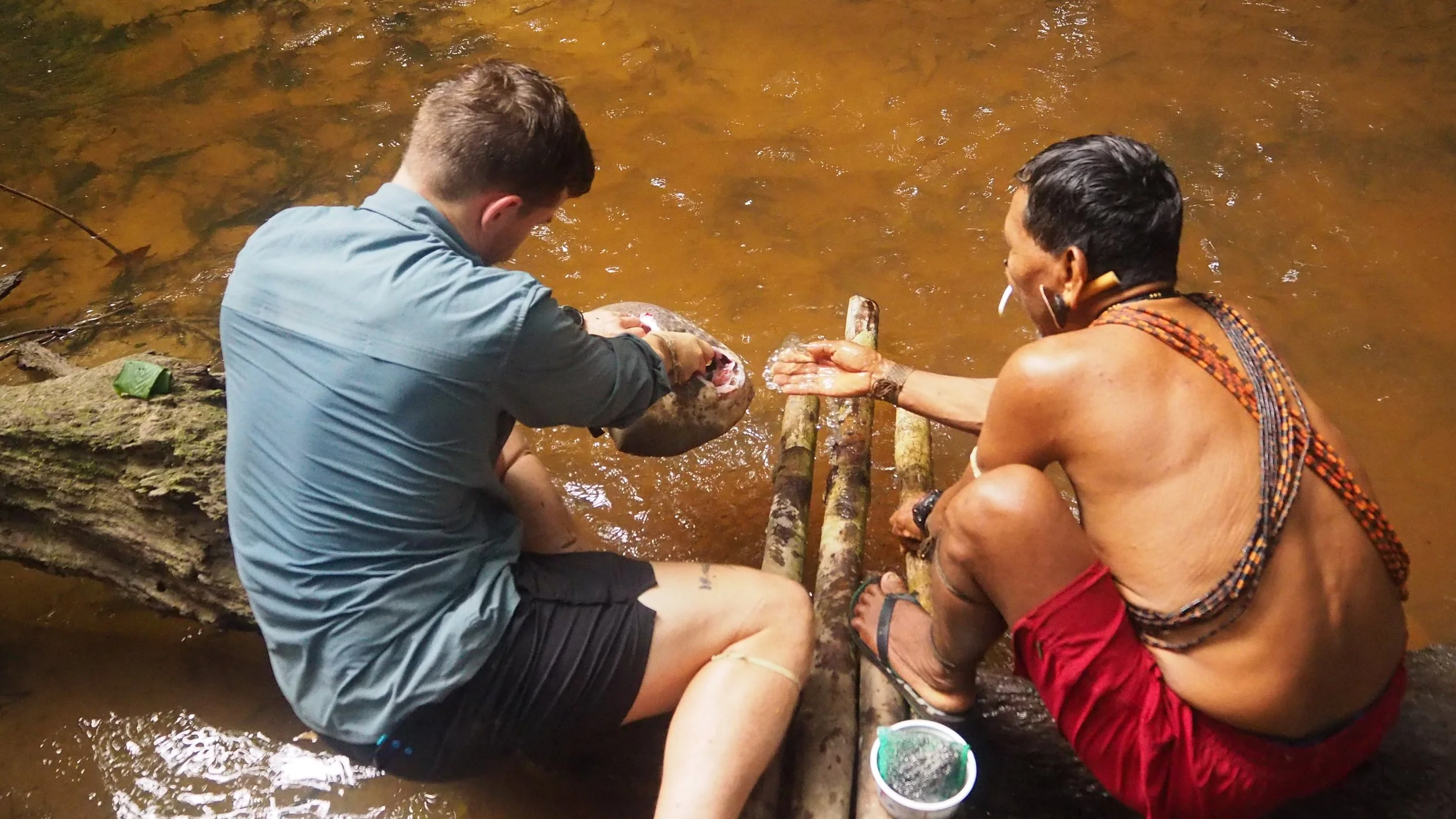
Expedition Leader Peter Magnin
We carry the memory of distant landscapes, rainforests, mountains, deserts, into every lesson. These experiences become part of our teaching framework, like a mycelial network beneath the forest floor, quietly supporting everything we do. By weaving stories from Amazon jungle expeditions or remote bushcraft experiences into our sessions, we connect our students to something far greater than the immediate environment.
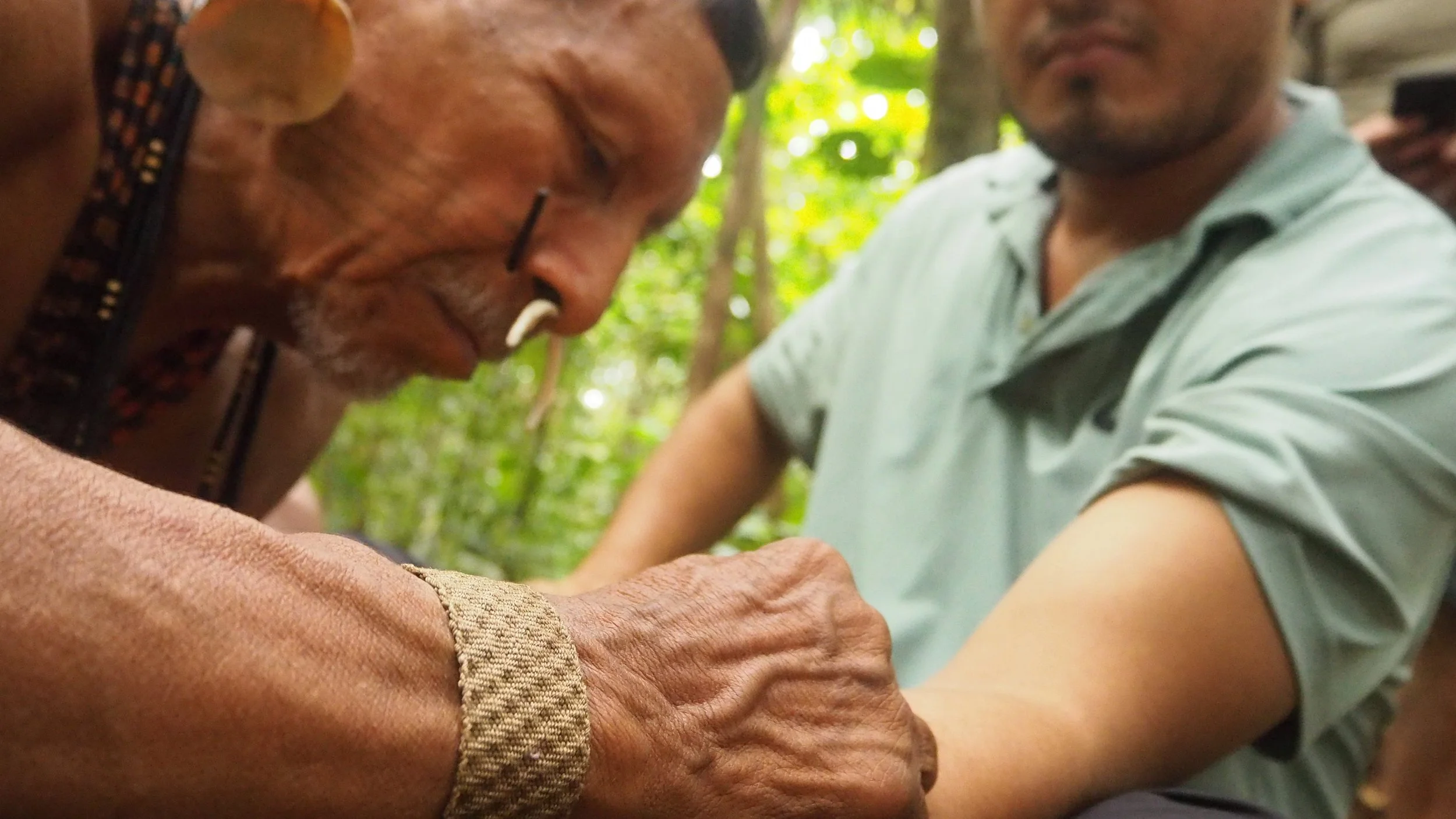
Experience becomes one of the most powerful teaching tools we have.
For an instructor, these boundary-pushing journeys are more than adventures, they are renewals. They remind us that we are, and always will be, students of the natural world. They teach us to guide with humility rather than authority, drawing from lived experience rather than abstract knowledge.
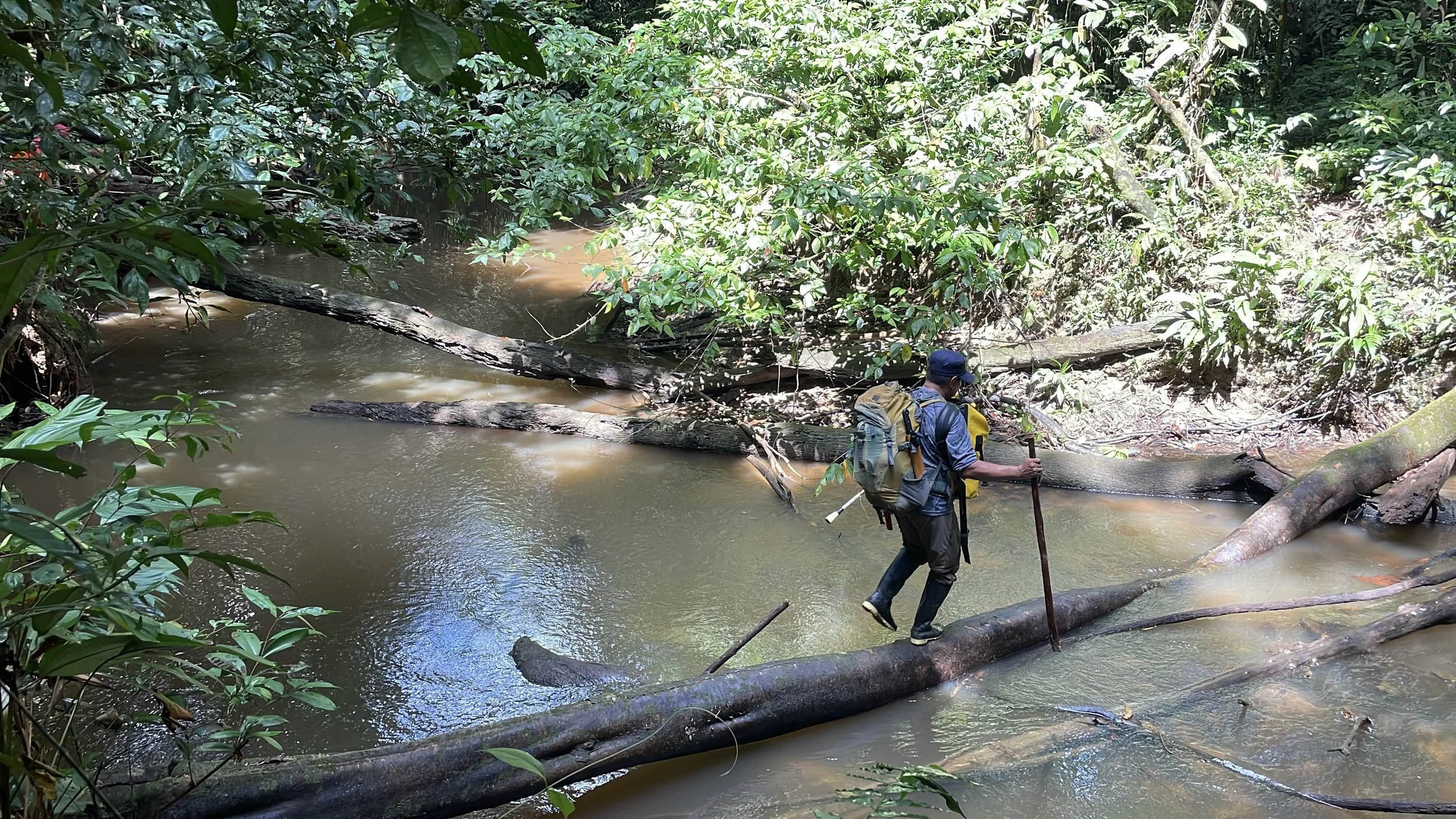
When you return from such journeys, you carry the jungle with you. It lives in your hands, in your patience, and in the way you demonstrate even the simplest techniques. Your students sense it. They respond to it. And without ever needing to say so, you pass on that hidden fire: watching as it takes hold and begins to burn within them.
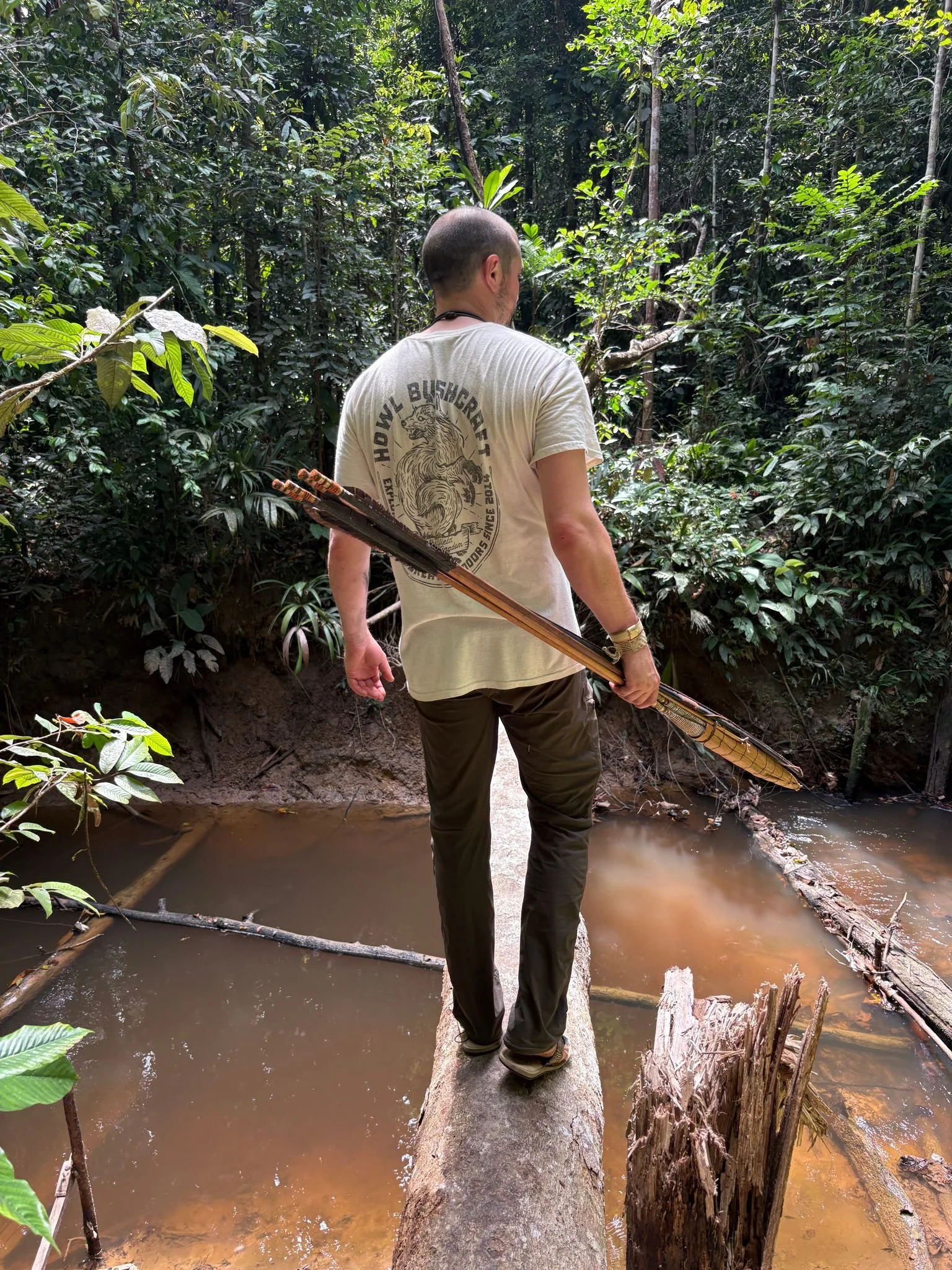
If you guide others in the outdoors, you owe this not only to yourself, but to your students and to the craft itself.