 Image 1 of 2
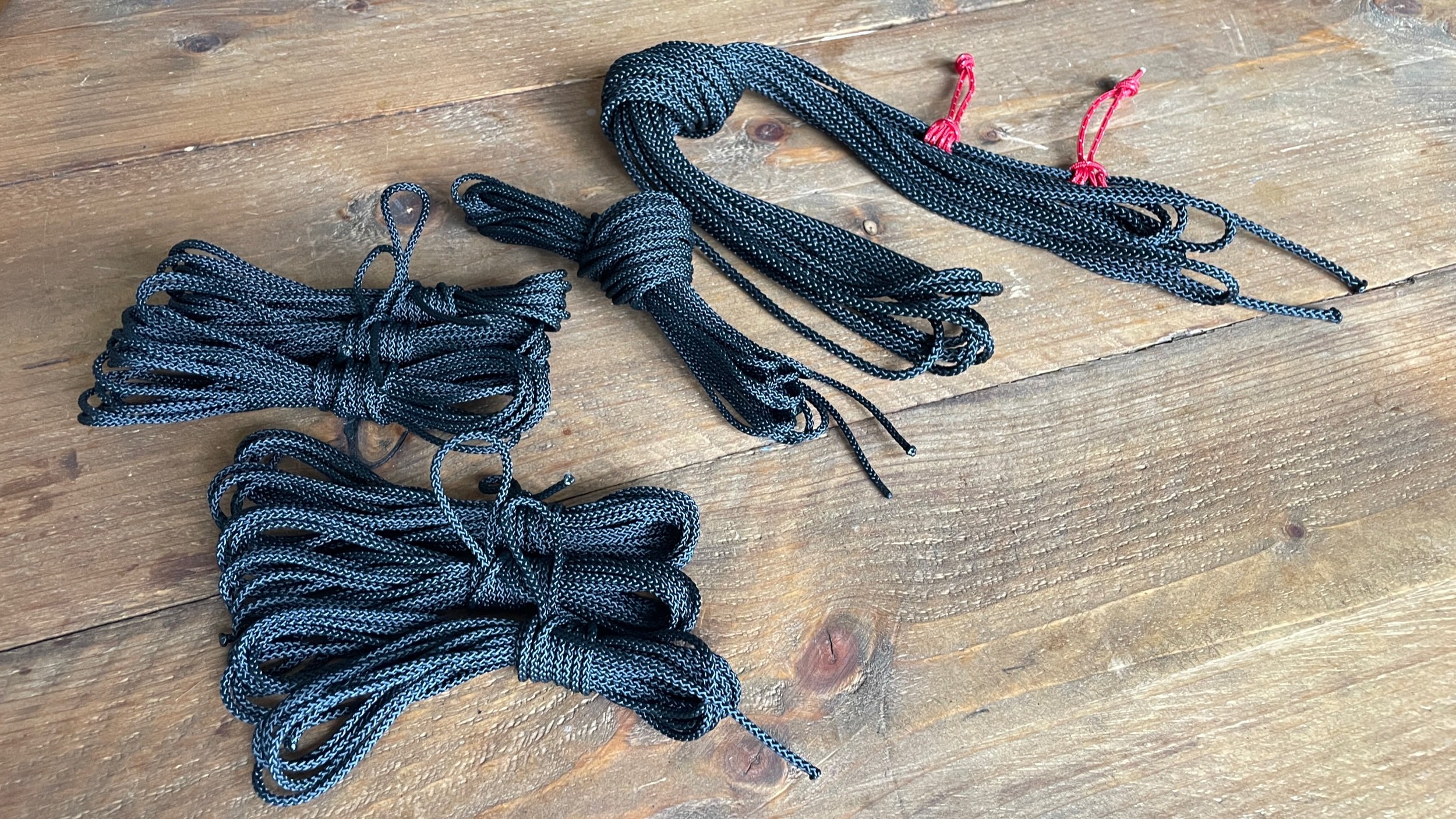 Image 2 of 2
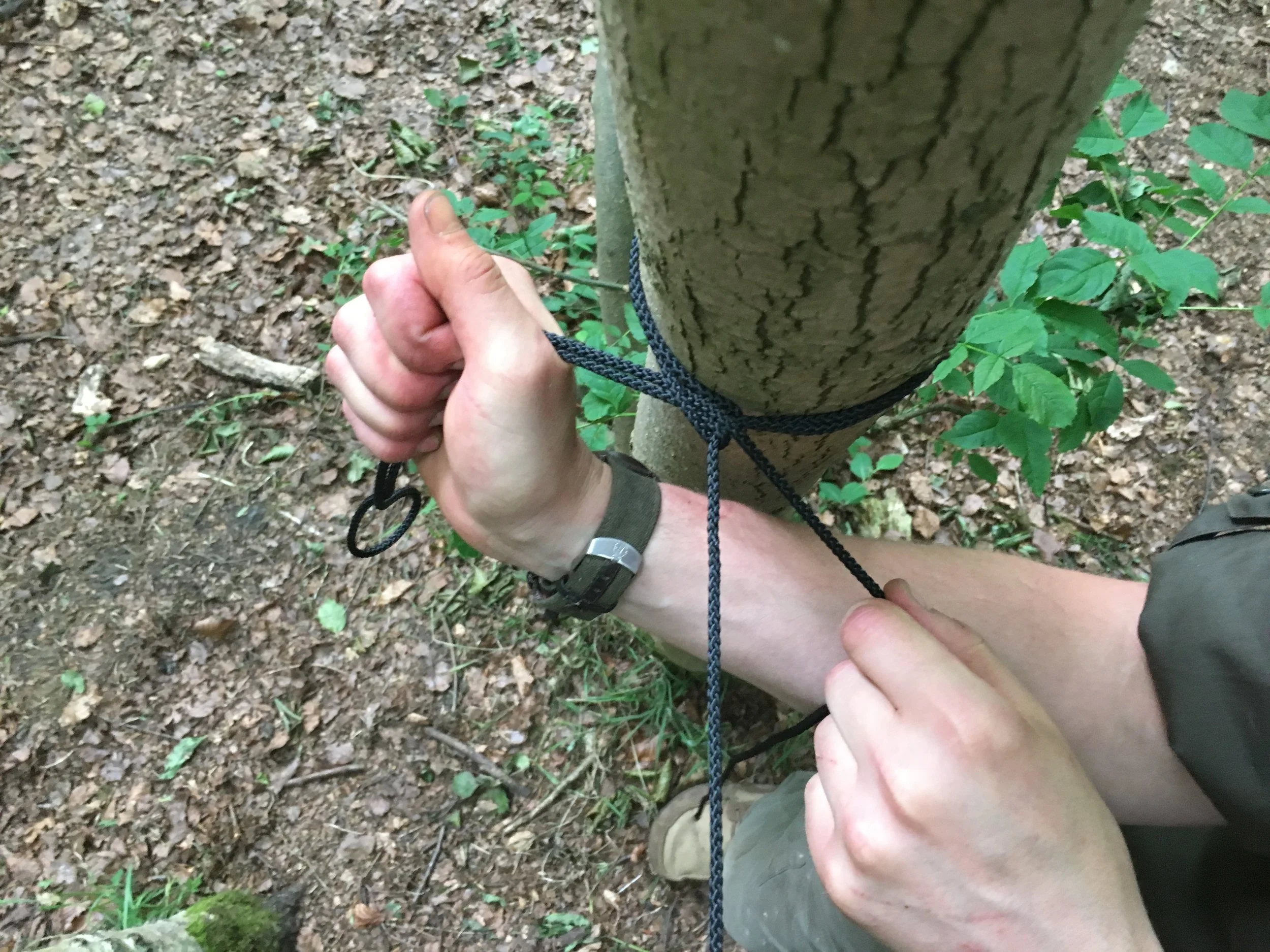
Durable Cord
For tarps and bushcraft

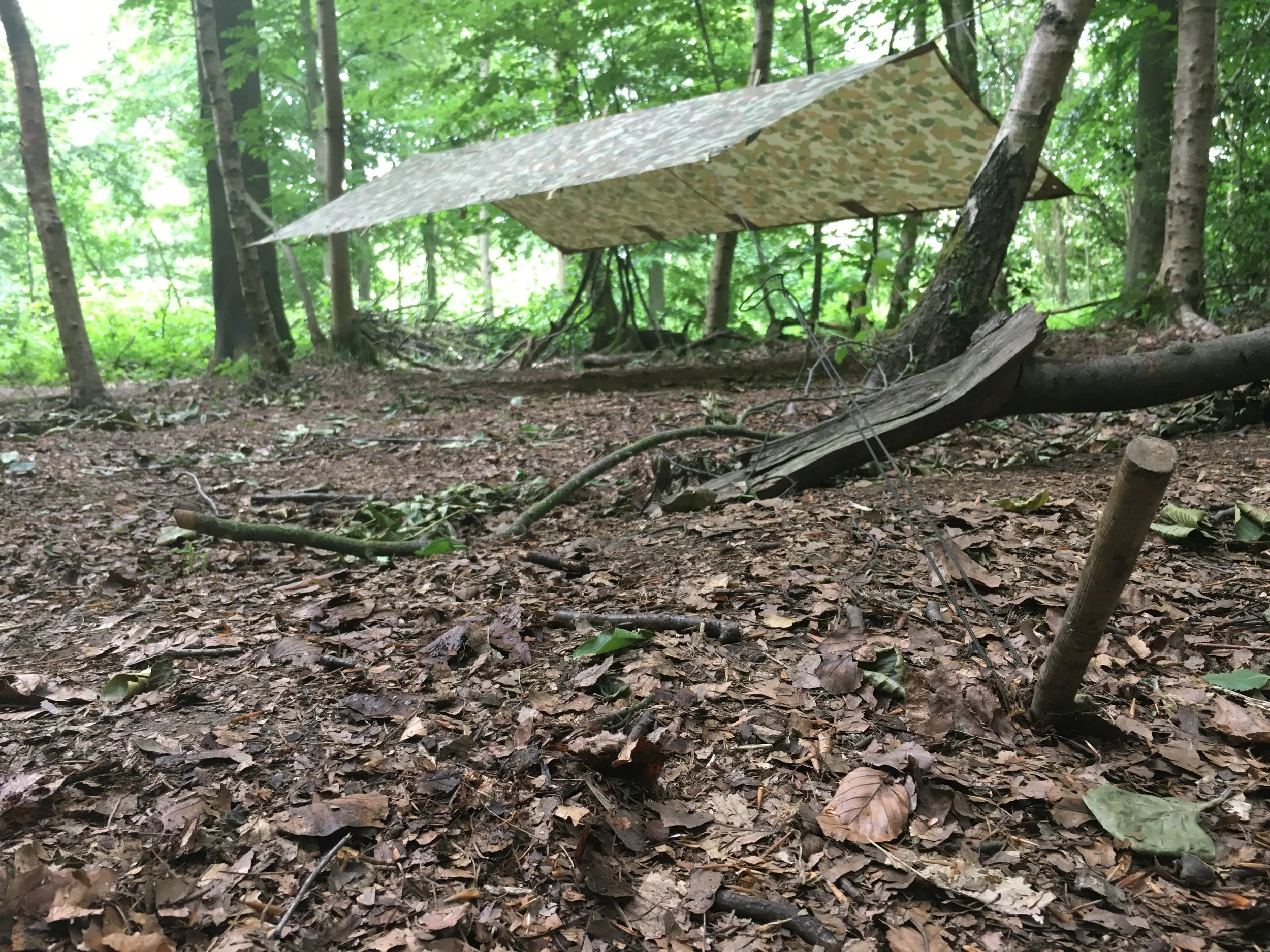
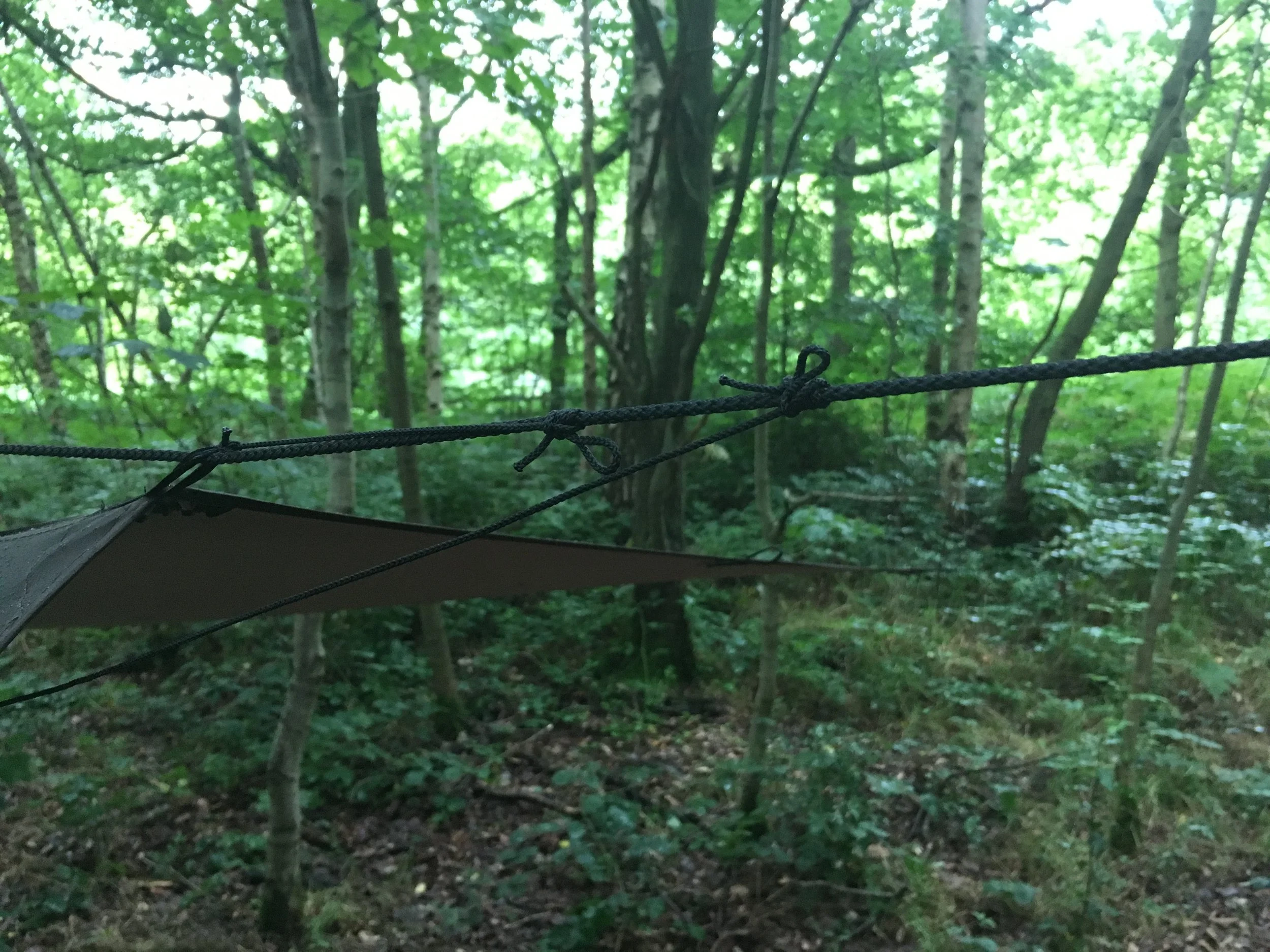
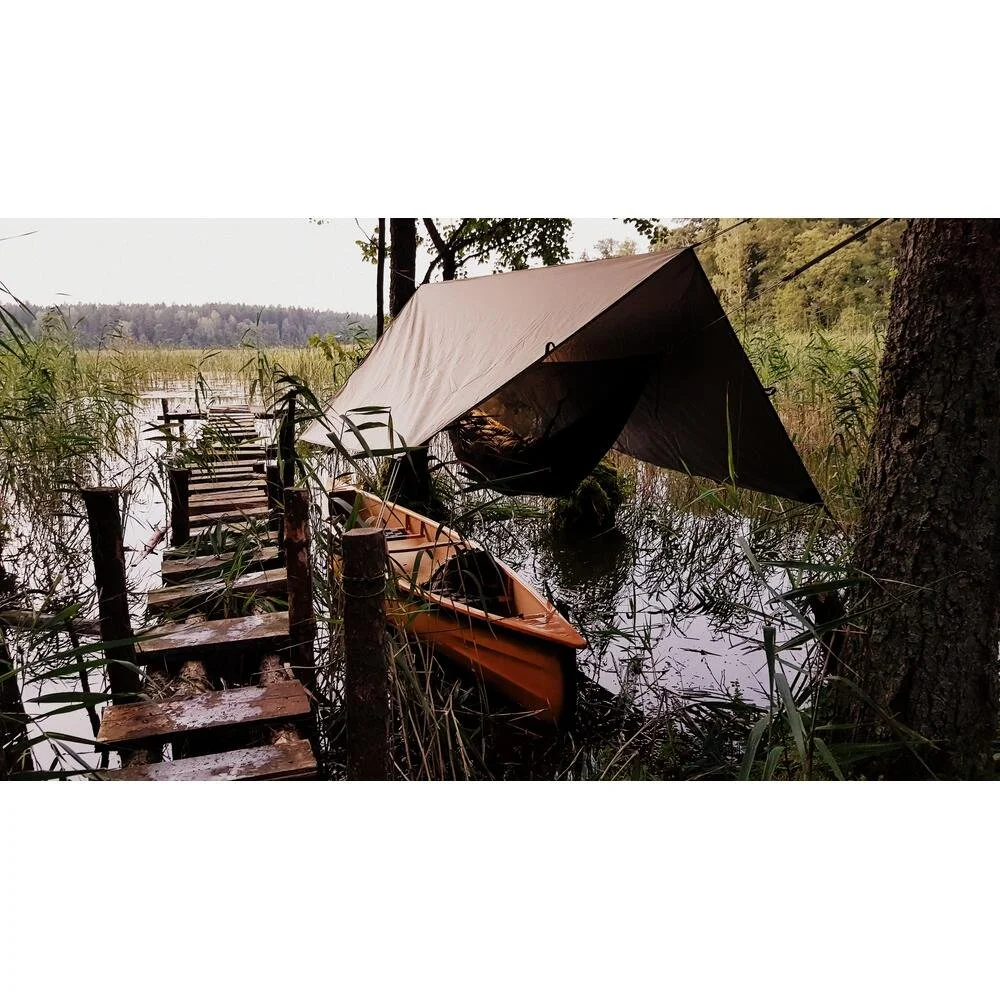
These guy lines have been rigorously tested in the field by Jamie since 2015, and have become a standard on our courses and equipment. We even used them to rig a sail on a canoe-raft during a trip along the Caledonian Canal, they held up to force 5 winds to pull us along at 15 miles per hour.
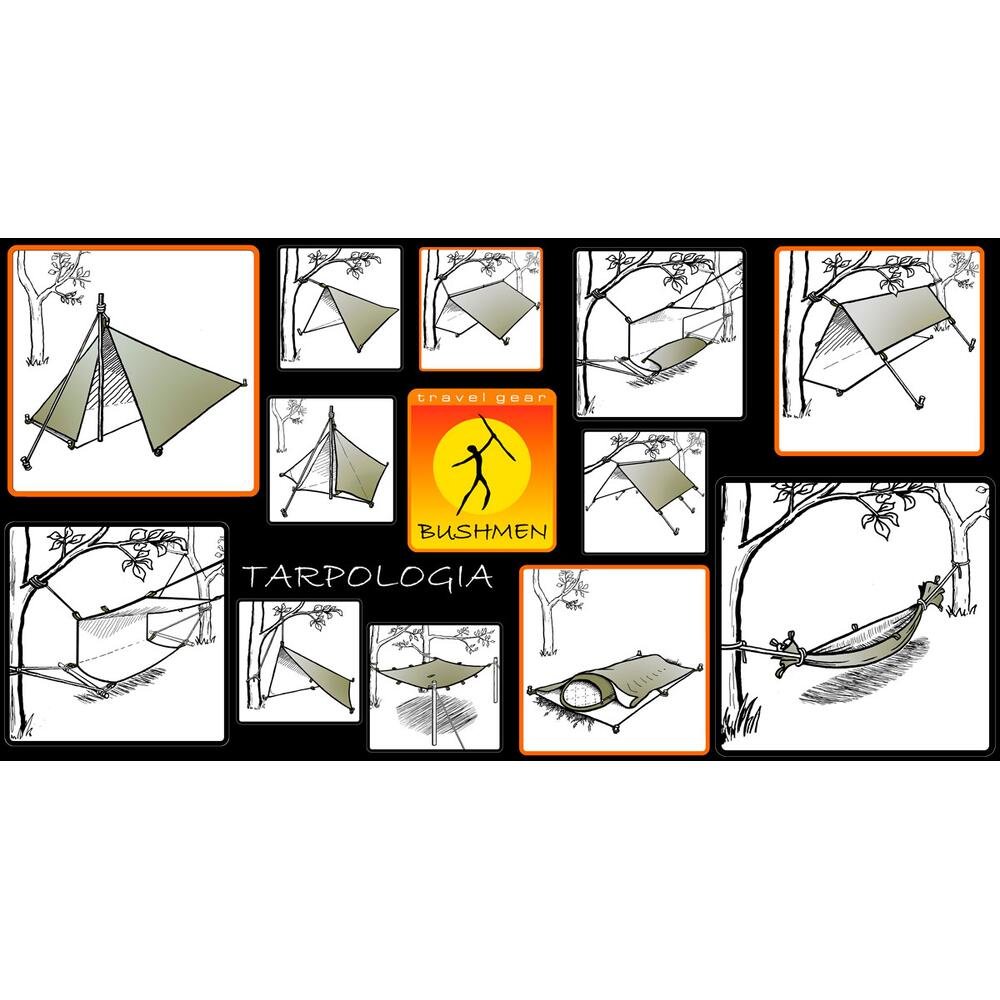
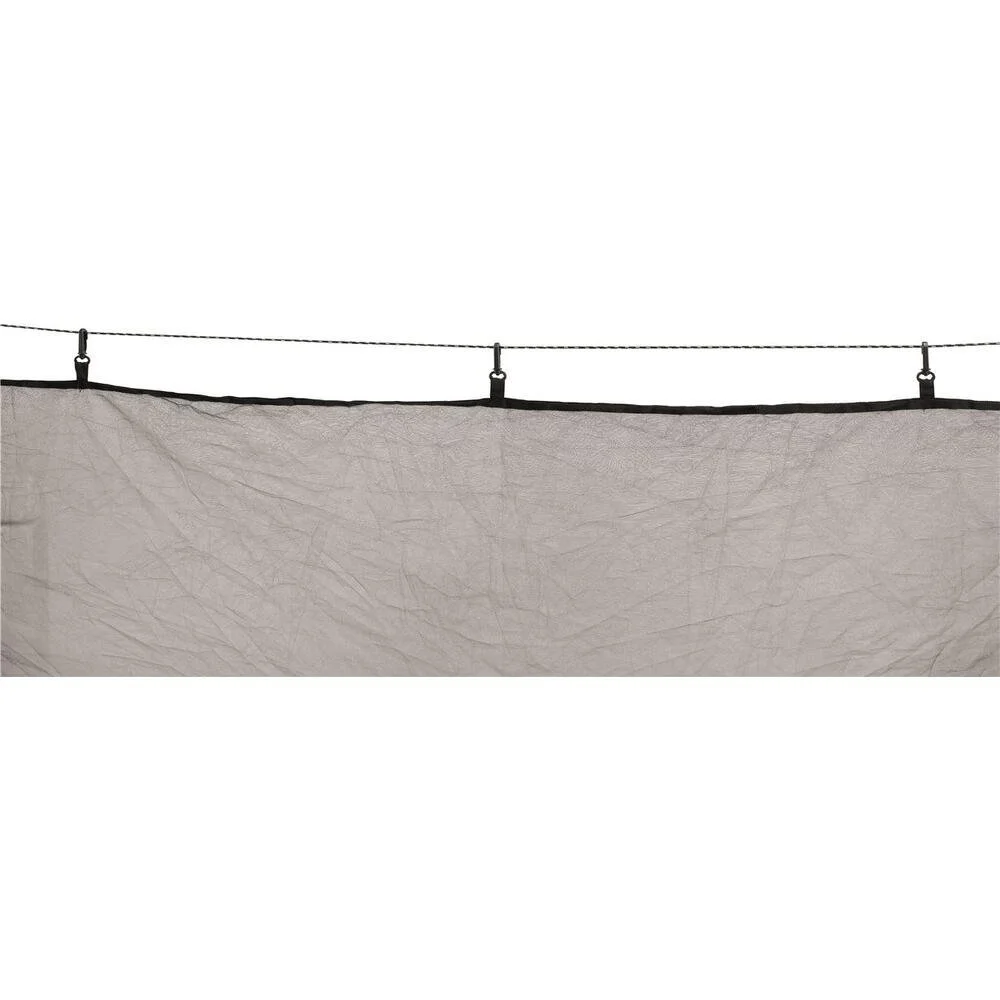
The 10 metre ridgeline is 4mm thick, providing a firm rig from which to pitch your tarp. Being 10 metres long means you'll have a broad option when looking for trees from which to anchor your sleep system, without being so tangled in endless lengths of paracord. Typically we suggest trees that are just far apart enough to fit your tarp in between, in the case of a 3x3m tarp this means the extra length in the ridgeline can be doubled back under the tarp to provide a handy 'washing line' to hang your kit overnight.
The guy lines are 2.5mm thick, providing plenty of strength to hold your tarp without being so fine as to be difficult to tie and tension, or damage the trees they are tied to. We provide 5 as often you'll find that final corner needs an extra length to make it to an awkward anchor point, and if it's not needed when pitching the tarp it'll work well as a hanging line under the tarp.
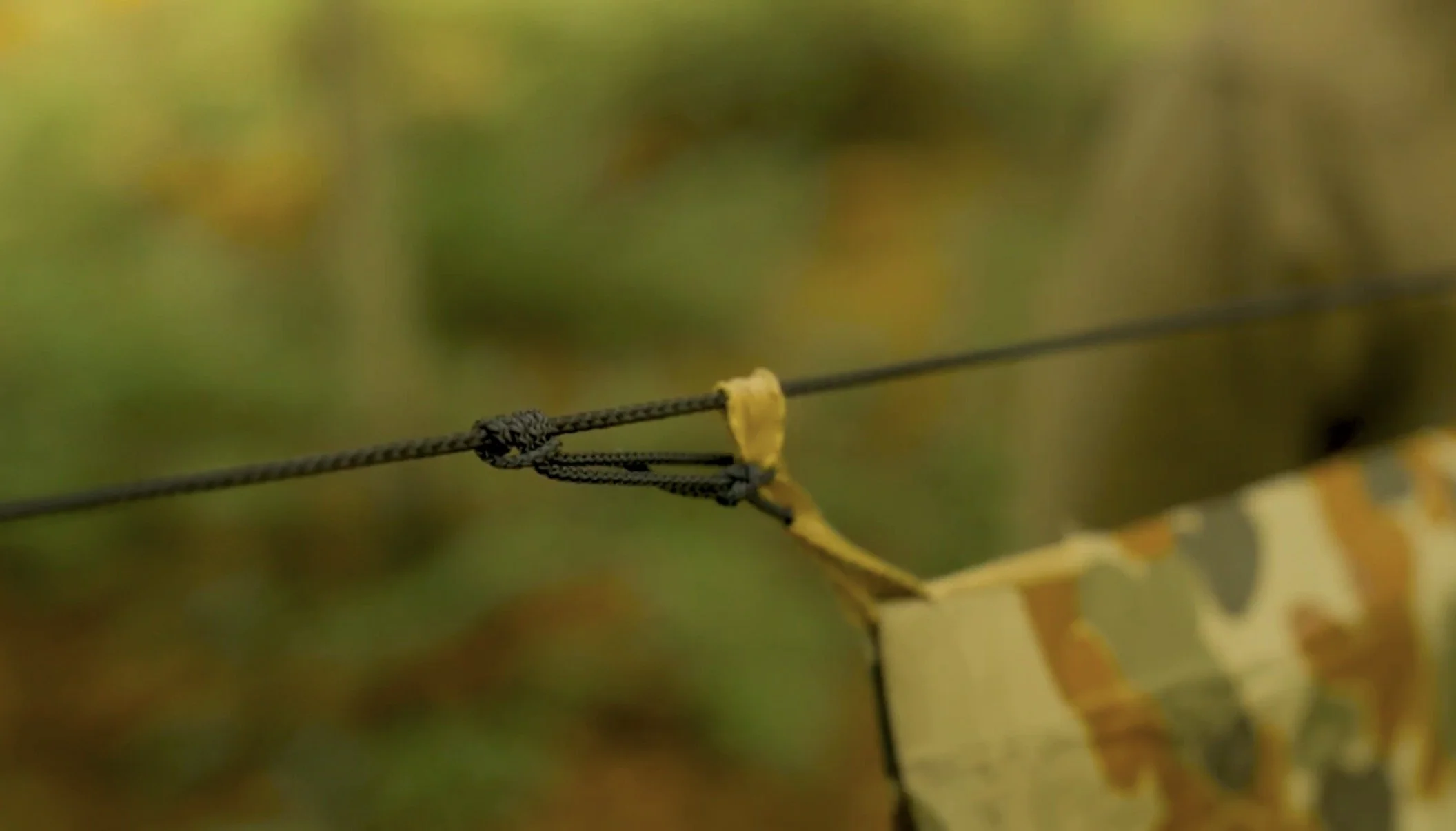
The 2 extra lengths are ideal to tension your tarp along the ridgeline with either a prusik loop or our preference: the slippery guyline hitch.
We chose black as they blend nicely into the background of the woodland whilst still being visible to help avoid tripping.
Polyester V Nylon:
While both are an excellent option for cordage, in our experience polyester is superior in this application of tarp rigging for a couple of reasons:
It has a greater abrasion resistance as nylon is prone to snagging
It doesn't absorb water so will dry faster and pack lighter when wet
As nylon does absorb water it also stretches, which leads to saggy rigging, and becomes difficult to work with.
Polyester also has a very high melting temp. around 260C making it ideal for use as a bow drill cord if needed.
One happy customer: