Why Mastery Matters: Working With Friends, Bushcraft Skills, and the Value of Learning Before Teaching
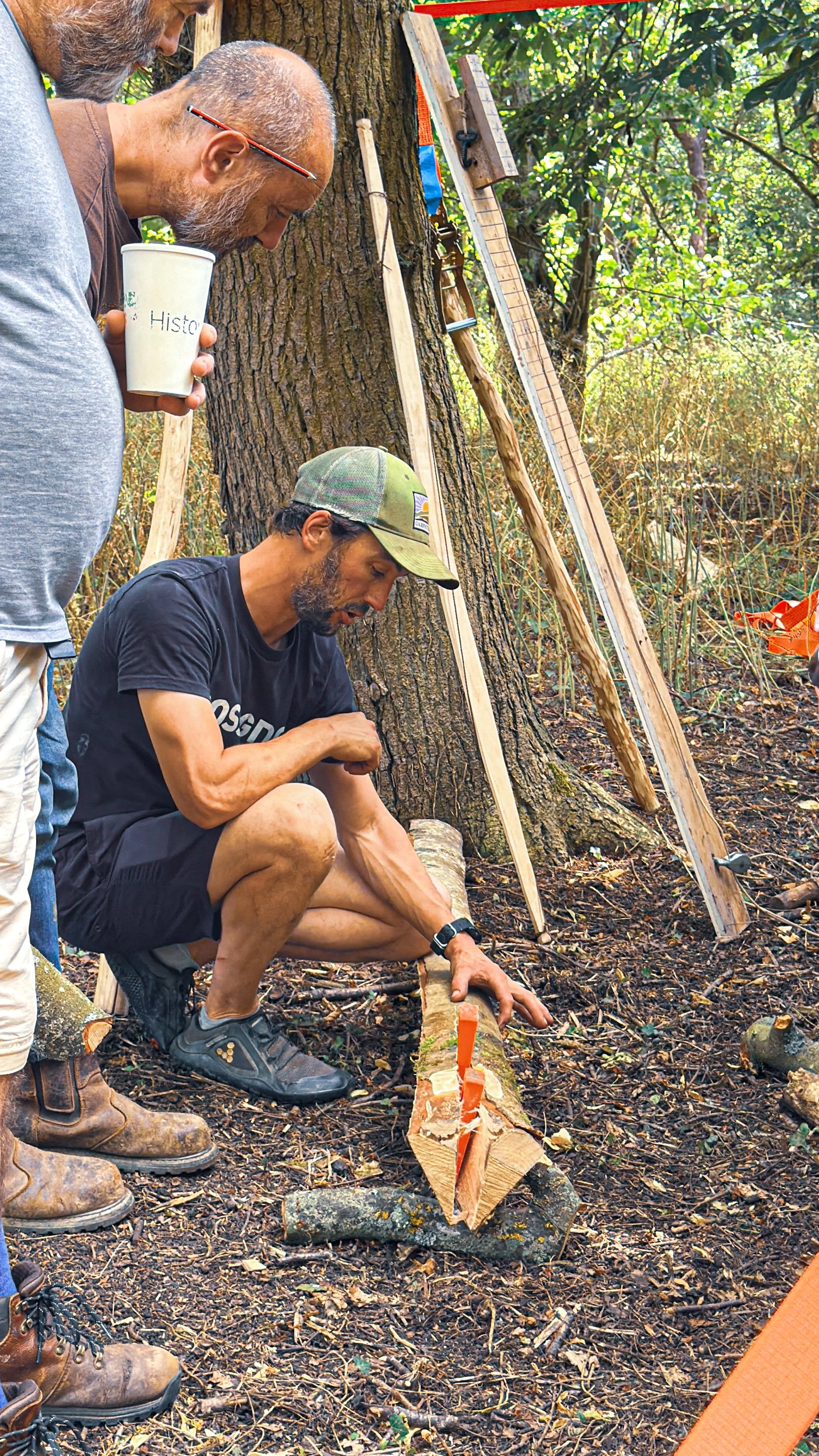
This weekend I had the privilege of supporting Adam on his traditional bow making course, and I came away feeling genuinely inspired.
It’s never just about making bows though. The real value lies in the conversations that unfold around the shave horses, over the workbench, and around the fire. Throughout the weekend we explored everything from wood selection and tillering to history, philosophy, craftsmanship, and what it truly means to dedicate yourself to learning bushcraft skills with patience and purpose.
One thing that stood out above everything else was the depth of knowledge Adam brings to his teaching.
We live in a culture that increasingly rewards appearances over substance. Social media has created an environment where people often feel pressure to become instructors before they've had the opportunity to become genuine students. Too often, bushcraft skills are reduced to their lowest common denominator, simplified into quick wins, shortcuts, and marketable content; rather than being explored as lifelong disciplines worthy of patience, humility, and devotion.
Working alongside Adam was a powerful reminder that authentic bushcraft instruction simply cannot be rushed.
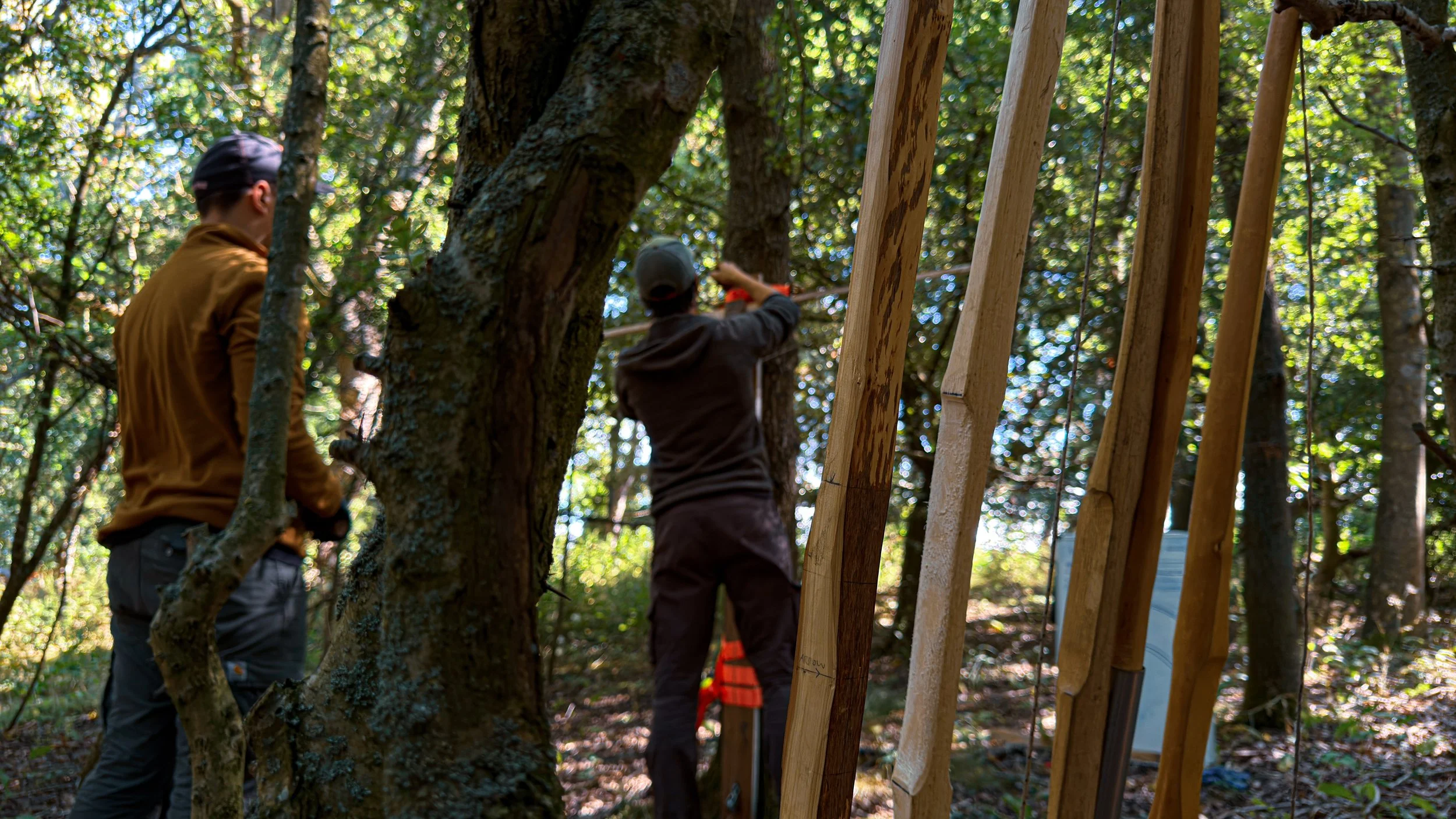
His knowledge comes from thousands of hours spent working with wood, making mistakes, experimenting, refining techniques, studying historical examples, and developing a deeply personal relationship with the craft of traditional bow making. That investment gives students something impossible to manufacture: trust. They know they're learning from lived experience rather than recycled information. Imagine the betrayal of joining a course only to discover the instructor has only done that a couple of times before?
For both of us, integrity sits at the heart of teaching bushcraft. Our responsibility isn't simply to show people how to make a bow or demonstrate a technique. It's to help people cultivate careful observation, critical thinking, patience, and respect for the natural world. These are the foundations upon which all meaningful bushcraft skills are built.
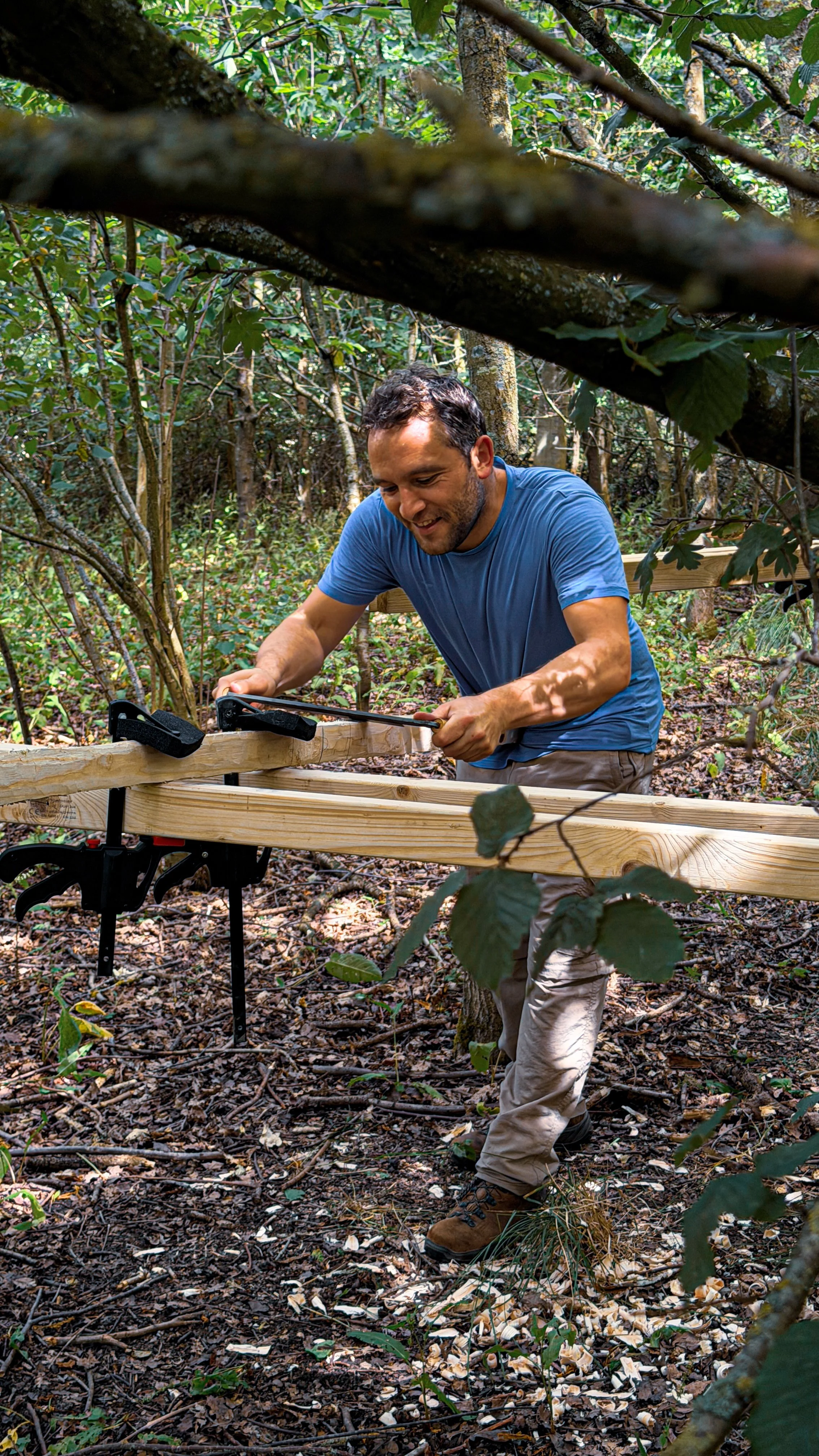
Watching each participant transform a simple stave into a functional bow never gets old. More rewarding still is watching their confidence grow with every careful shaving of wood. Experiences like these remind me that the best bushcraft courses aren't really about the finished objects. It’s in the changing of the way we think. Nature teaches us to slow down, pay attention, solve problems with patience, and reconnect with our world through practical experience and traditional woodcraft.
Perhaps that's the lesson we need most today.
If we want to preserve authentic bushcraft skills, we must first value understanding over recognition, curiosity over status, and mastery over visibility. Learn because the skills themselves deserve your dedication. Spend the time becoming a student before considering whether you need to teach. Build your knowledge through experience, not algorithms. The world doesn't need more people parroting the same bushcraft lesson after a handful of weekends; it needs more crafts and outdoors people who quietly dedicate themselves to mastering their craft, to falling in love with the subject, before sharing that with others. People come alive when you teach them from a place like that.
There are no shortcuts to genuine skill, and there never have been.
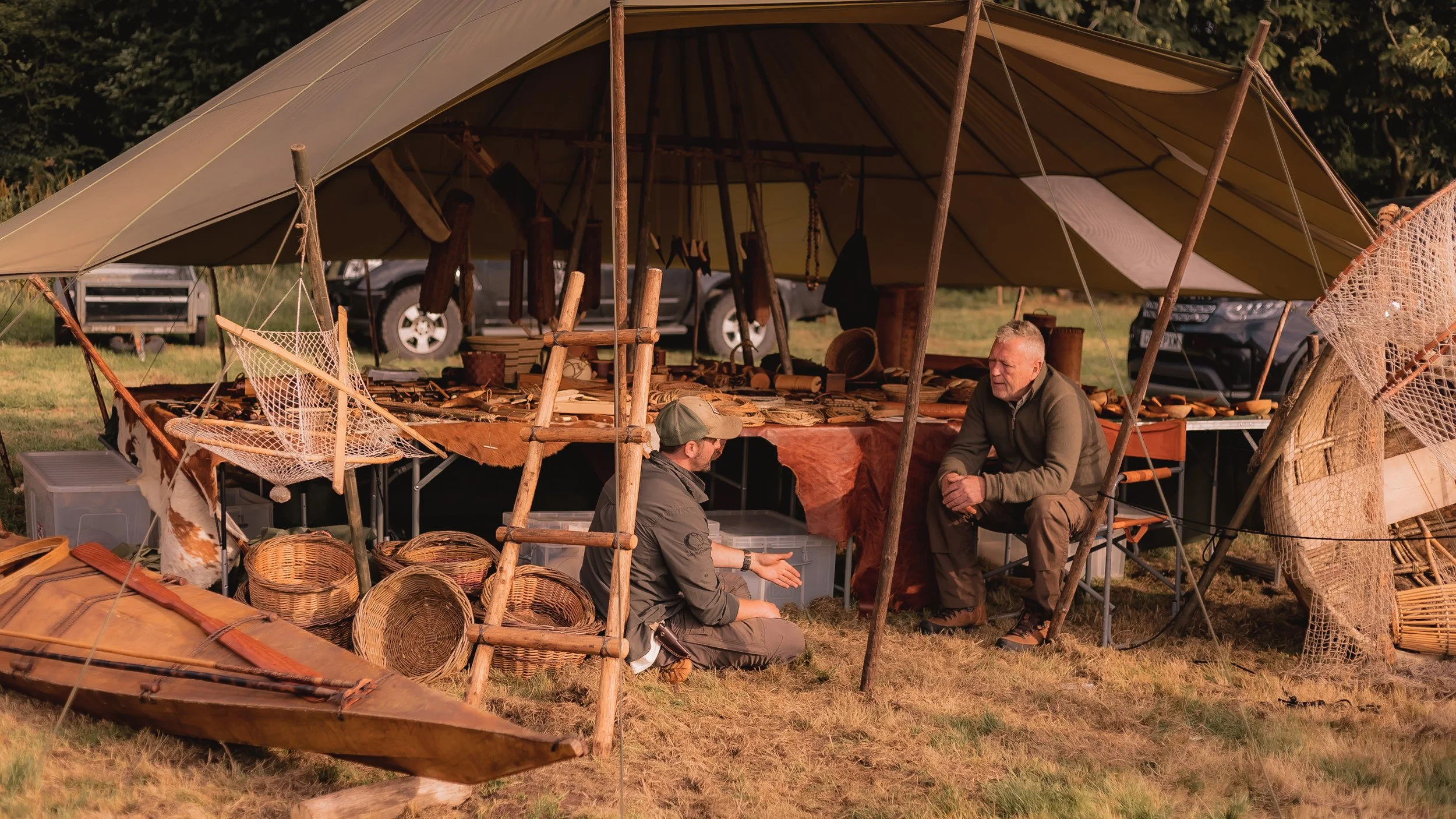
Here I’m lucky enough to be taking a lesson from a true master, Patrick McGlinchey,optimises the approach of developing skills.
One cannot love what one does not know fully, from within; it is from a love of nature that an instructor in Bushcraft calls out in their truest voice. You hear it when you’re lucky enough to take a lesson from a true master.
A huge thank you to everyone who joined us and brought such curiosity, openness, and generosity to the weekend. And thank you, Adam, for continuing to set such a high standard for authentic bushcraft teaching and for trusting me to be part of it.